


The San Francisco Bay Area is more than a single city. It is a cluster of distinct places wrapped around the same misty bay, each with its own mood, price point and pace. For a first-time visitor, choosing where to stay, how to get around and which highlights to prioritize can feel overwhelming. This guide focuses on the main visitor corridor from San Francisco to Oakland, Berkeley, Marin, Sausalito, Silicon Valley, Napa and Sonoma, with concrete examples on transportation, accommodations, food, wine and first-trip planning so you can build a realistic, rewarding itinerary.
Getting Oriented and When to Go
The “Bay Area” usually refers to the urban and suburban ring around San Francisco Bay, anchored by San Francisco on the tip of a peninsula, Oakland and Berkeley across the Bay Bridge, and Marin and Sausalito just beyond the Golden Gate Bridge. Farther north you reach the wine regions of Napa and Sonoma, while Silicon Valley sits to the south around cities like Palo Alto, Mountain View and San Jose. Distances on the map look small, but travel times can stretch, especially during weekday rush hours roughly 7–10 a.m. and 3–7 p.m.
The region has a mild, Mediterranean-influenced climate, but temperatures vary sharply by micro‑climate. In July it is common to see afternoon highs around 65–68°F near San Francisco’s Fisherman’s Wharf, while Oakland or Sonoma may be in the 80s on the same day. Fog is thickest in San Francisco from June through August, especially mornings and evenings, while September and October are often the clearest, warmest months on the coast, with more reliable sunshine and calmer winds.
If you are coming for wine tasting in Napa or Sonoma, late spring and early fall bring pleasant weather and fewer crowds than peak summer weekends. For city-focused trips with museum visits and urban walks, winter can be good value: hotel rates in downtown San Francisco and Oakland often dip in January and February compared with the busy tech-conference periods of spring and fall. Whenever you visit, pack layers: a lightweight down jacket or fleece, breathable base layer, and a windproof shell will serve you better than a single heavy coat.
Because the Bay Area is spread out, first-time visitors often underestimate travel time. A drive from Union Square in San Francisco to downtown Napa can easily take 1.5 to 2 hours with traffic, and a BART train from San Francisco’s Embarcadero station to downtown Berkeley is usually about 30 minutes, plus time for walking or rideshare on each end. When planning, try to cluster activities by region instead of bouncing back and forth across bridges in a single day.
San Francisco: Core Sights, Neighborhoods and Costs
For a first trip, most visitors base themselves in San Francisco for at least three nights. Classic sights include walking or cycling across the Golden Gate Bridge, exploring Fisherman’s Wharf and Pier 39’s sea lion colony, taking a ferry to Alcatraz Island, and riding a historic cable car between Union Square and the waterfront. As of 2026, a single cable car ride typically costs under 10 dollars per person when paid via the regional transit app or a reloadable card, with day passes available if you plan to ride multiple lines.
Neighborhoods offer very different feels. Union Square is the traditional hotel and shopping district, convenient for cable cars and BART but quieter at night than it once was. The Embarcadero and Ferry Building area feels more waterfront-oriented, with weekday farmers’ market stalls and views of the Bay Bridge. North Beach (the historic Italian quarter) and adjacent Chinatown offer walkable blocks of small restaurants and bars, while Hayes Valley and the Mission District skew trendier with independent boutiques, cocktail bars and buzzy restaurants.
Hotel prices fluctuate with conventions and large events, but it is common to see midrange chain hotels around Union Square or Fisherman’s Wharf quoting roughly 220 to 350 dollars per night before taxes for a standard room, depending on season and demand. Boutique properties with bay views or historic charm can run higher, especially near the Embarcadero or in neighborhoods like Pacific Heights. If you are budget-conscious, look at basic hotels or guesthouses in the Richmond or Sunset districts, where nightly rates can be noticeably lower in exchange for a 25–40 minute bus or light rail ride into the core tourist areas.
For food, San Francisco supports everything from 5 dollar mission-style burritos along 24th Street to tasting menus well above 250 dollars per person at top fine-dining restaurants. A typical casual sit‑down dinner in many neighborhoods might cost around 25–35 dollars per person before drinks and tip. For a first visit, plan at least one classic sourdough-based meal near the Wharf, dim sum or family-style Chinese feast in Chinatown, and a walk through the Ferry Building marketplace to sample local cheeses, oysters or coffee roasters.
Oakland and Berkeley: Culture, Neighborhoods and Value
Across the Bay Bridge, Oakland and Berkeley offer a more local, lived‑in feel and, in many cases, better value for money than central San Francisco. Downtown Oakland and the waterfront neighborhood of Jack London Square combine historic brick warehouses, a small marina, restaurants and wine bars, and a busy Amtrak station. A short walk inland, the area around Lake Merritt features a 3‑plus mile path around the tidal lake, views of the Oakland skyline, and access to the Oakland Museum of California, which focuses on California art, history and natural science.
In Berkeley, the streets around the University of California campus blend student life with bookshops, independent cinemas and long‑running food institutions. The Fourth Street commercial district offers more polished boutiques and cafes, while the North Berkeley “Gourmet Ghetto” area is known for destination restaurants and specialty food shops. If you are curious about progressive politics, labor history or the origins of California cuisine, spending a full day walking Telegraph Avenue, Shattuck Avenue and the surrounding residential streets can be rewarding.
BART connects downtown San Francisco to both Oakland and Berkeley in roughly 20–35 minutes, depending on your starting point, which makes it realistic to stay in one city and explore another as a day trip. As of 2026, a one‑way BART fare between downtown San Francisco and Oakland or Berkeley is generally in the range of a few dollars per adult, using a reloadable card or contactless payment. Hotels in downtown Oakland and around the Berkeley marina often price a bit below equivalent properties in central San Francisco, with midrange rooms sometimes starting under 200 dollars per night outside major event dates.
Food across the East Bay can be both excellent and more affordable. In Oakland’s Temescal district, for example, you might pair a 5–7 dollar taco with a local craft beer, while in Berkeley you can find student‑friendly Korean, Indian and Middle Eastern spots where a generous main course still comes in under 20 dollars before tax. Jack London Square’s restaurants are popular before and after events, with waterfront patios that are particularly lively on summer evenings and during weekend farmers’ markets.
Marin and Sausalito: Gateways to Nature
North of San Francisco, crossing the Golden Gate Bridge brings you into Marin County, a comparatively green, low‑rise landscape of hills, coastal headlands and small towns. The first major stop, Sausalito, lines the edge of Richardson Bay with hillside homes, houseboat communities and a compact downtown of galleries, cafes and waterfront restaurants. Many first-time visitors arrive by ferry from San Francisco, spend a few hours browsing and having lunch, then either ferry back or continue by bus or rideshare to other Marin sights.
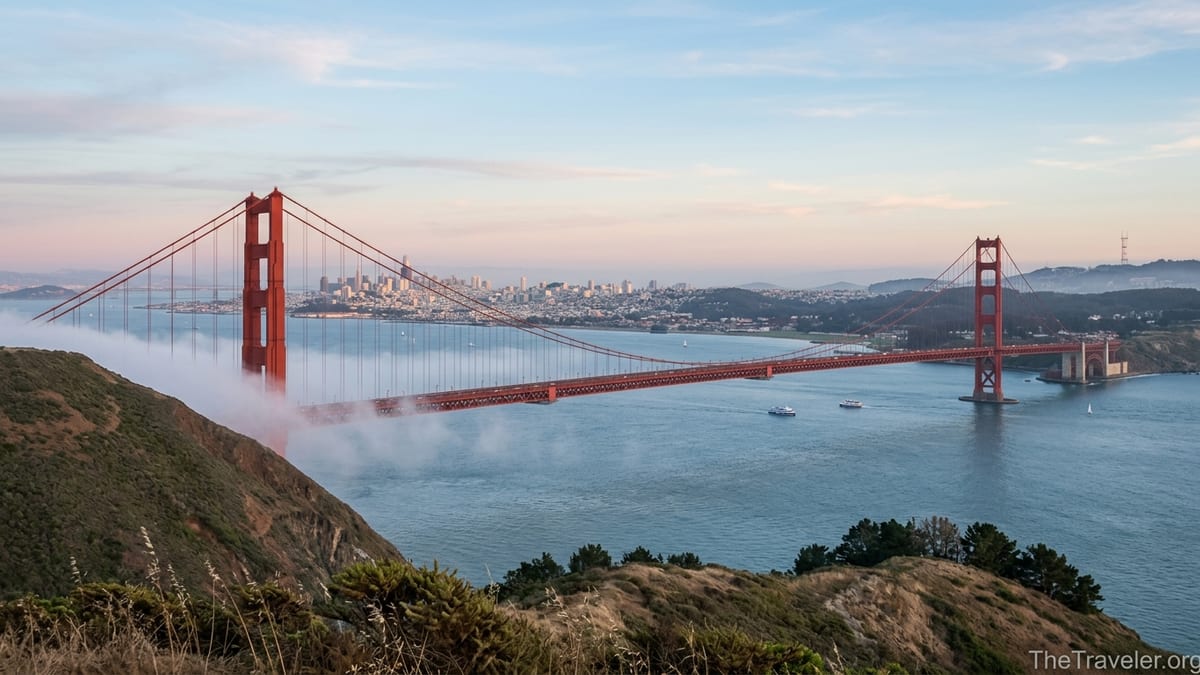
Nearby natural highlights include the Marin Headlands, which offer some of the most iconic views back toward the Golden Gate Bridge and San Francisco skyline, especially in the hour before sunset when the city lights begin to glow. Trails here range from easy viewpoint walks near the bridge overlooks to longer coastal hikes closer to Rodeo Beach. To the north, Muir Woods National Monument protects one of the most easily accessible stands of coastal redwoods. Entry now typically requires advance reservations for parking or shuttle seats during most of the year, and entrance fees are per person, so check conditions and availability well before your visit.
Accommodation in Marin tends to be pricier than many inland spots, with boutique hotels in Sausalito frequently charging 350 dollars per night or more for bay‑view rooms in peak season. Budget travelers often base in San Francisco or the East Bay and visit Marin as a day trip instead. If you do choose to stay, the payoff is quiet evenings, easy access to hiking and biking, and short drives to coastal towns like Stinson Beach, which can be packed on hot weekends but is serene midweek or in the shoulder seasons.
Public transport around Marin is more limited than within San Francisco or the East Bay. Golden Gate Transit buses and regional ferries link major hubs, but many trailheads and beaches require a car, tour or rideshare. If you plan to explore more than Sausalito itself, building at least one rental‑car day into your itinerary can dramatically expand what you can see, especially in areas like Point Reyes National Seashore farther northwest.
Silicon Valley: Tech Campuses and Suburban Hubs
South of San Francisco, Silicon Valley stretches from roughly San Mateo through Palo Alto, Mountain View, Sunnyvale and down to San Jose. For many leisure travelers it is a lower priority than the city or wine country, but if you are curious about the tech industry or have business in the area, it can be worth a day. Major companies maintain visitor‑friendly spaces in their headquarters districts, such as public plazas or branded stores where you can see product history and design.
Palo Alto and nearby Menlo Park feel like affluent college towns, anchored by Stanford University’s expansive campus of sandstone arcades and palm‑lined avenues. Stanford’s main quadrangle, art museums and dish‑lined foothill trails are popular with visitors, and much of the campus is open to the public during daylight hours. In Mountain View, a lively downtown strip along Castro Street includes restaurants representing cuisines from across Asia and Latin America, while nearby Shoreline Park offers flat walking and biking paths along the Bay.
San Jose, the largest city in the region, has its own set of attractions, including the Tech Interactive science and technology center, the historic neighborhoods around San Pedro Square, and the nearby Winchester Mystery House. Hotel prices in Silicon Valley can spike during major corporate events but may undercut central San Francisco on quieter weekends, with business‑oriented hotels offering competitive rates and free parking. Expect a broad range, from budget motels under 150 dollars per night on the fringes of the valley to upscale properties well over 300 dollars in prime corporate or downtown locations.
Transportation includes the Caltrain commuter rail line running between San Francisco and San Jose, regional buses, and a growing network of light rail and rapid bus routes. However, many tech campuses and suburban shopping centers sit a mile or more from the nearest station, so rideshare costs can accumulate quickly if you do not have a rental car. If you plan to explore only one or two specific spots, consider staying near a Caltrain station like Palo Alto or Mountain View, where you can comfortably walk to restaurants, cafes and basic services.
Napa and Sonoma: Wine Country Basics for First-Timers
Napa Valley and neighboring Sonoma County sit roughly 50–70 miles north of San Francisco, depending on your exact route. Visitors typically rent a car, book a small‑group tour or hire a driver so they can sample wine safely. Driving from downtown San Francisco to downtown Napa without traffic can be about 75 minutes, but on busy summer Saturdays or holiday weekends the trip can stretch to two hours or more, especially on Highway 29 through the valley’s main towns.
Wine tasting customs have shifted over the past decade. It is increasingly common to book timed reservations rather than simply walking in, especially at well‑known estates. As of 2026, standard tasting fees in Napa for a seated flight at a midrange winery often fall somewhere around 40 to 80 dollars per person, with some marquee properties charging 100 dollars or more for elaborate pairings or private experiences. In Sonoma, particularly in areas like Russian River Valley or around Sonoma town, tastings at smaller or more casual wineries can still be a bit lower, sometimes in the 25 to 50 dollar range.
Accommodations cover everything from roadside motels along Highway 29 to luxury resorts with vineyard‑view pools. In central Napa, it is typical to see midrange hotel rooms in the 250 to 400 dollar range per night in high season, with boutique inns and resorts climbing much higher. Sonoma County offers broader variety; around Sonoma Plaza and Healdsburg, rates are similar to Napa’s core towns, while more rural areas may have cottages or farm stays that are slightly more affordable, especially midweek.
To manage costs on a first trip, consider limiting yourself to two or three winery visits in a single day, mixing one well‑known estate with one or two smaller, family‑run producers. Many wineries offer to waive or reduce tasting fees if you purchase a certain number of bottles, which can be helpful if you already plan to bring wine home. Balance tasting with non‑drinking time in the small towns: grab a picnic lunch from a local deli to enjoy at a public plaza, walk the shaded streets around Sonoma Plaza, or explore the Oxbow Public Market in Napa, where you can choose from multiple casual food counters under one roof.
Getting Around: Transit, Ferries, Rideshare and Cars
The Bay Area’s public transportation is a patchwork of systems. BART handles rapid transit between San Francisco, Oakland, Berkeley and some suburbs; Muni operates local buses and light rail within San Francisco; AC Transit serves much of the East Bay; Caltrain links San Francisco to Silicon Valley and San Jose; and regional ferries crisscross the bay between major waterfront hubs. For visitors, this means you can rely heavily on transit within and immediately around San Francisco, Oakland and Berkeley, but will likely need a car, tour or rideshare for more outlying areas like Muir Woods, Point Reyes or most of Napa and Sonoma.
Most agencies now support contactless payment via a single regional card or mobile wallet. In practice, this allows you to tap in and out across buses, trains and ferries without juggling multiple ticket types. As a planning baseline, a short city bus ride within San Francisco typically costs just a few dollars, while longer BART trips across the bay cost slightly more. Ferries between San Francisco and Sausalito, Oakland or Alameda charge higher fares than buses or trains but reward you with fresh air, skyline views and a built‑in sightseeing experience.
Rideshare services operate widely and can be convenient late at night or when traveling with luggage, though surge pricing during big events or after concerts can surprise first‑time visitors. A simple trip from downtown San Francisco to the Mission District might be under 20 dollars in light traffic, while crossing the Bay Bridge to downtown Oakland or Berkeley can run higher, especially during rush hour. If you choose to rent a car, factor in parking: overnight hotel parking in central San Francisco or near Fisherman’s Wharf often adds 40–70 dollars per night, while many suburban hotels in Silicon Valley or the North Bay still include free surface parking.
For airport transfers, both San Francisco International Airport and Oakland International Airport are linked to BART, with trains running into the core urban area in around 30–45 minutes depending on your final stop. San Jose’s airport relies more heavily on light rail, buses and rideshare. If your itinerary focuses mainly on San Francisco and the East Bay, flying into Oakland can sometimes save both time and money, while trips centered on Silicon Valley or San Jose might be simpler via San Jose or San Francisco airports.
Where to Stay and How to Budget
Your choice of base will shape your experience. For a first visit without a car, staying in San Francisco is usually the most practical, with Union Square, the Embarcadero and Fisherman’s Wharf all giving relatively straightforward access to major sights. Travelers who prefer a quieter, more residential feel and lower nightly rates sometimes opt for Berkeley or Oakland along BART lines, commuting into the city for selected days while exploring local neighborhoods the rest of the time.
If wine country is a major priority and your budget allows, consider splitting your stay: two or three nights in San Francisco followed by one or two nights in Napa or Sonoma. This saves you from long, late‑day drives back to the city after tastings and lets you enjoy evening strolls through smaller towns. For example, you might spend Thursday through Saturday nights in San Francisco, then relocate to a small inn near Sonoma Plaza for Sunday night, when room rates may dip compared with Saturday.
Daily budgets vary widely. At the lower end, a careful traveler staying in a budget hotel or private room in the East Bay, eating mostly at casual spots, and focusing on free or low‑cost attractions like neighborhood walks, public parks and museums with suggested donations could target around 150–200 dollars per person per day, not including airfare. A more typical midrange visitor staying in a central hotel, enjoying one sit‑down restaurant meal per day and including a day trip to wine country will likely spend more. High‑end trips with luxury accommodations, private drivers in Napa and frequent fine dining can easily exceed 600–800 dollars per person per day.
To keep costs in check, look for midweek stays, especially in wine country, ride public transit for routine city trips instead of defaulting to rideshare, and build in free experiences: walk across the Golden Gate Bridge, hike the East Bay hills for panoramic bay views, or join a self‑guided walking tour through historic districts like San Francisco’s North Beach or Oakland’s Chinatown. Booking major attractions such as Alcatraz or Muir Woods shuttles several weeks in advance can also prevent last‑minute mark‑ups from resellers.
First-Time Planning Tips and Sample Itinerary
For many first-time visitors, a 5 to 7 day trip works well. With five days, you might dedicate three nights to San Francisco with side excursions to Marin or the East Bay, and one long day trip to wine country. With a full week, you can add a night or two in Napa or Sonoma or include more time in Silicon Valley if you have tech interests or friends in the area.
A simple five-day outline could look like this: Day 1, arrive in San Francisco, settle in near Union Square or the Embarcadero, and take an evening stroll along the waterfront. Day 2, explore core San Francisco sights, combining a cable car ride, Fisherman’s Wharf, the Ferry Building and North Beach. Day 3, cross the Golden Gate Bridge to Sausalito and the Marin Headlands, returning via ferry if schedules allow. Day 4, head across the Bay Bridge to Oakland and Berkeley, walking around Lake Merritt and the university area before dinner in a local neighborhood. Day 5, join a small‑group wine country tour from San Francisco that visits two or three wineries in Napa or Sonoma before returning to the city for a final night.
If you have seven days and a higher budget, adjust the plan to include a rental car and at least one overnight in wine country. For example, after two full days in San Francisco you could pick up a car on Day 3, drive through Marin to a redwood hike in Muir Woods or along the coast, then continue to Sonoma for dinner and an overnight stay. Day 4 could focus on Sonoma wineries, with Day 5 shifting to Napa, followed by a return to San Francisco or onward to Silicon Valley for business meetings or campus tours.
Regardless of trip length, build in extra time between activities, especially when crossing bridges or heading to airport departures. It is wise to assume that a drive labeled as 40 minutes on a mapping app could take an hour or more during peak times. Keep at least one flexible block in your schedule for unplanned discoveries, whether that means an afternoon lingering at a neighborhood cafe in Berkeley, an impromptu stroll through Sausalito’s back streets, or a sunset stop at a viewpoint overlooking the Golden Gate.
The Takeaway
For a first-time visitor, the San Francisco Bay Area can feel like many trips in one: iconic urban scenery in San Francisco, neighborhood culture in Oakland and Berkeley, coastal headlands in Marin, and vineyard‑lined valleys in Napa and Sonoma. Trying to “do it all” in a few days will only leave you tired and rushing from one bridge to the next. Instead, accept that you will only scratch the surface and focus on a balanced mix that matches your interests and budget.
Anchor yourself with a practical base, whether that is a centrally located hotel in San Francisco, a value‑oriented room near a BART station in the East Bay, or a small inn in wine country. Use transit and ferries where they are strong, switch to rental cars or tours where they are not, and protect your time by clustering activities regionally. With realistic expectations about distances, costs and micro‑climates, your first Bay Area trip can feel less like a checklist and more like a series of distinct, memorable days.
FAQ
Q1. How many days do I need for a first trip to the San Francisco Bay Area?
Most first-time visitors do well with 5 to 7 days. Five days lets you see San Francisco, make a short visit to Marin and the East Bay, and take at least one day trip to wine country. A full week gives you time to add an overnight in Napa or Sonoma or to include Silicon Valley without feeling rushed.
Q2. Do I need a car, or can I rely on public transportation?
You can comfortably explore San Francisco, Oakland and Berkeley using public transportation, ferries and rideshare. For Muir Woods, many Marin trailheads and most of Napa and Sonoma, a car or guided tour is far more practical. Many visitors combine transit for city days with one or two rental‑car or tour days for wine country and more remote nature spots.
Q3. Where should I stay if I want to visit San Francisco and wine country?
If you are short on time, base in San Francisco and join a small‑group wine country tour for a long day trip. If you have at least six or seven days and a higher budget, consider splitting your stay between a central San Francisco hotel and one or two nights in a town like Napa, Yountville, Sonoma or Healdsburg so you can enjoy evenings and mornings in the vineyards without long late‑night drives.
Q4. Is Napa really much more expensive than Sonoma?
In general, Napa’s tasting fees and lodging prices trend higher, especially at famous estates and luxury resorts. Sonoma often offers a wider range of more casual or rural experiences at slightly lower prices, particularly away from the busiest hubs. That said, both regions now have tastings that range from relatively modest to very high‑end, so your final costs depend most on the specific wineries and accommodations you choose.
Q5. What is the best time of year to visit for good weather and fewer crowds?
September and October usually offer the most consistently pleasant weather in coastal San Francisco and Marin, with warm days and clearer skies after the summer fog. Late spring and fall are also excellent in wine country, where summer weekends can be very busy. Winter months bring cooler temperatures and more rain but can offer lower hotel prices and fewer crowds at major attractions.
Q6. How much should I budget per person per day?
Budgets vary widely. A careful traveler staying in budget accommodation, using transit and eating mostly at casual or grab‑and‑go spots might aim for roughly 150–200 dollars per person per day, excluding flights. Midrange travelers in central hotels who include wine tasting and sit‑down dinners will likely spend more, while high‑end stays with luxury lodging, private drivers and fine dining can cost several times that amount.
Q7. Are the cities safe for tourists?
The Bay Area’s cities experience some of the same challenges as other large urban centers, including visible homelessness and property crime. Most visitors who take basic precautions, stay aware of their surroundings and avoid leaving valuables in parked cars have smooth trips. Focus on well‑trafficked areas at night, use licensed taxis or rideshare after dark when needed, and follow local advice from hotel staff or hosts about streets to avoid.
Q8. Can I visit both Napa and Sonoma in a single day?
It is physically possible to visit both in one day, but it often leads to a rushed experience with too much driving and too little time at each stop. For a first trip, it is usually better to choose either Napa or Sonoma for a given day, limit yourself to two or three wineries, and leave time for a relaxed lunch and a walk around at least one town. If you have multiple days, plan one day in each region instead of splitting days.
Q9. What should I wear, given the Bay Area’s changing weather?
Think in layers. Even in summer, San Francisco’s evenings can feel chilly, especially near the water or on ferry rides. Pack a light jacket or fleece, a windproof outer layer, comfortable walking shoes, and at least one warmer layer for nights. For wine country in warmer months, breathable clothing like cotton or linen works well during the day, but you will still appreciate a light jacket after sunset.
Q10. Do I need to book attractions and tastings in advance?
For popular attractions such as Alcatraz, Muir Woods shuttles and well‑known wineries in Napa and Sonoma, advance booking is strongly recommended, especially for weekends and peak seasons. Many tastings now operate almost entirely by reservation to manage capacity. For city museums and neighborhood restaurants, you can often be more flexible, though making dinner reservations for Friday and Saturday nights is still wise in busy districts.