


A San Francisco Bay Area road trip is one of the most rewarding ways to experience Northern California. With a rental car you can link the Golden Gate Bridge, Marin Headlands, Muir Woods, Sausalito, Highway 1 coastal overlooks, Silicon Valley campuses and world class wine country into a single loop. This guide focuses on practical driving details: where to start, how to handle tolls and parking, and sample three to seven day itineraries that work in the real world.
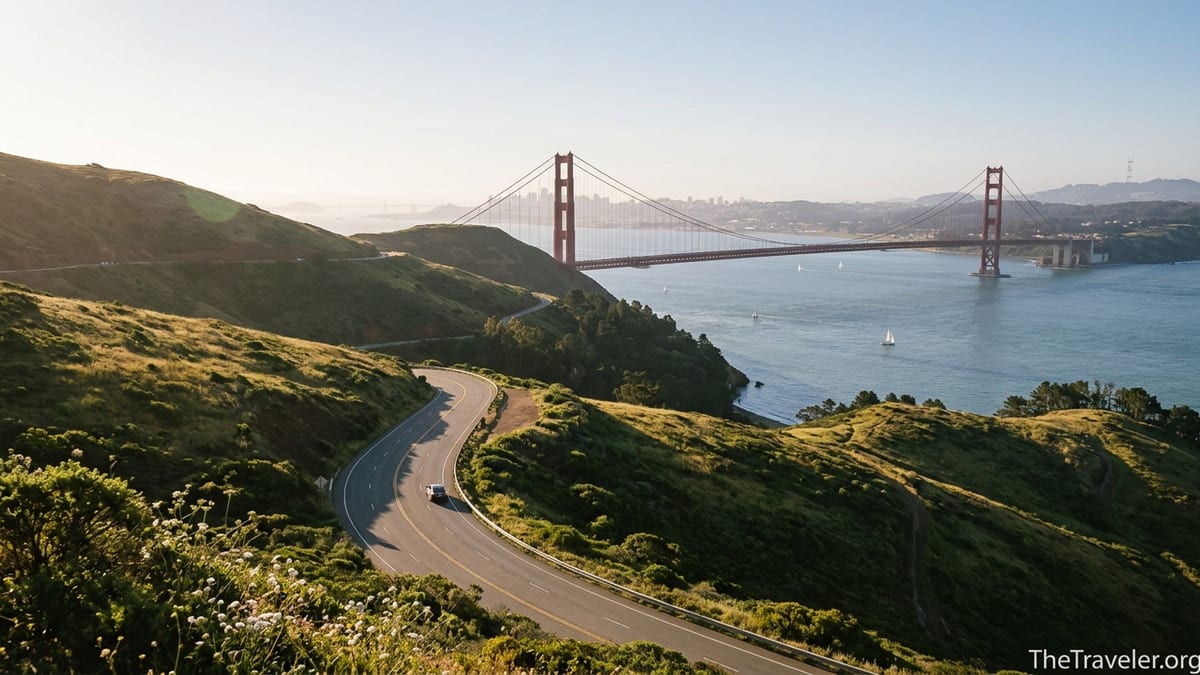
Planning Your Bay Area Road Trip and Rental Car
Most visitors begin in San Francisco, flying into San Francisco International Airport or arriving downtown by train. Renting a car at the airport is usually the easiest choice because every major company operates there and cars are available late into the evening. The airport rental center is connected by an automated AirTrain, so you can pick up a compact or midsize car within minutes of landing. Daily base rates vary widely by season, but many travelers find that weekdays in spring and fall are more affordable than peak summer and holiday weekends.
Renting in the city is a viable alternative if you will not drive for the first day or two. Several national brands maintain branches around Union Square, Fisherman’s Wharf and the South of Market district, and there are also neighborhood style options in places like Hayes Valley. City branches sometimes charge lower airport facility fees, but you may see higher daily base rates or strict hours for pick up and return. If you plan early morning departures or late night arrivals, confirm the desk hours so you do not get stranded without a car.
Whichever location you choose, focus on a car size that balances comfort with parking. Many Bay Area hotel garages and public lots have tight ramps and compact spaces, particularly in San Francisco and Sausalito. A midsize sedan or small SUV is usually ideal for two to four people with luggage. Larger SUVs can be helpful for families but can feel unwieldy on the narrow, winding roads into Muir Woods or along portions of Highway 1 where there is limited shoulder and sharp curves.
Before driving away, check whether your rental includes an electronic toll tag for Bay Area bridges. Some companies bundle tolls into a convenience package and then charge a daily service fee whether or not you cross a bridge, while others pass through tolls at cost plus a small administrative fee. Ask at the counter how the specific device in your car is billed so you can avoid surprises when you return home.
Driving Logistics: Tolls, Parking and Traffic
The Bay Area’s famous bridges operate cashless tolling. The Golden Gate Bridge only charges southbound traffic driving toward San Francisco, and there are no toll booths on either side. Cameras read license plates and toll tags, and a bill is sent automatically. Other major bridges, including the San Francisco Oakland Bay Bridge and Richmond San Rafael Bridge, also rely on electronic tolling. Rental cars are usually enrolled automatically through the plate or toll tag, which is why understanding your company’s toll policy is important before you hit the road.
Parking is one of the main points of stress for first time drivers here, especially in San Francisco. Many downtown hotels charge a nightly fee for valet or self parking, and street parking involves strict time limits, colored curbs and frequent street cleaning. For a road trip focused on the wider region, consider booking at least some nights at properties that advertise on site parking in neighborhoods like the Marina District, Pacific Heights or near Golden Gate Park. In Sausalito and Mill Valley, boutique hotels and motels often include free or lower cost parking, which can be valuable if you plan multiple day trips by car.
Muir Woods National Monument has its own rules. Private vehicles must hold a timed parking reservation, and these slots often sell out for weekend and holiday mornings. Reservations are made in advance and linked to a specific half hour arrival window. The fee is separate from the national park entrance charge and from any bridge tolls, so budget for both. Mobile reception is unreliable in the canyon, so it is wise to download confirmation documents or take screenshots before driving the steep access road.
Traffic patterns can shape your entire itinerary. Weekday rush hours into and out of San Francisco, Oakland and Silicon Valley create slow going on bridges and freeways. Many travelers plan their drives across the Golden Gate Bridge or Bay Bridge for mid morning or early afternoon to avoid long backups. Coastal routes between Stinson Beach, Point Reyes and Bodega Bay are slower by nature because they are two lane roads with frequent curves and occasional roadwork, so it is smart to plan extra time between stops and avoid booking tightly timed wine tastings or restaurant reservations immediately after a long scenic stretch.
Classic 3 Day Loop: San Francisco, Marin Headlands and Muir Woods
A compact three day road trip works well for visitors with limited time who still want to experience the bridge, redwoods and a taste of the coast. One practical pattern is to spend the first night in San Francisco without a car, exploring on foot and by transit, and then pick up a rental the next morning from a downtown branch. From there you can drive across the Golden Gate Bridge and immediately exit into the Marin Headlands for overlooks back toward the city skyline. The pullouts near Battery Spencer and Hawk Hill provide some of the most iconic views in the region when skies are clear.
After a couple of hours in the headlands, continue to Sausalito, a compact waterfront town directly across the bay from San Francisco. Sausalito has paid public lots near the ferry terminal and street parking on the hillsides above the main drag. Cafes and restaurants cluster along Bridgeway, where you can sit outside with views of sailboats, houseboats and the city beyond. Spending the night here lets you enjoy the quieter evening atmosphere once day trippers have left, and it positions you well for an early start to Muir Woods the following morning.
On day two, drive from Sausalito or Mill Valley to Muir Woods in time for your reserved arrival slot. The approach road narrows and climbs, and there are multiple sharp switchbacks, so driving slowly and pulling over when safe to let locals pass is courteous. Once parked, you can choose from level boardwalk loops among the redwoods or longer hikes that climb into the surrounding hills. Many travelers spend two to four hours here, then descend to Mill Valley for a late lunch or early dinner. If you still have energy, continue to Stinson Beach for sunset before returning to your base.
Day three can be flexible. Some visitors head straight back across the bridge and return the car in San Francisco before flying home. Others continue north from Stinson Beach to Bolinas or Point Reyes for short hikes and lighthouse views, then loop back to San Francisco via the interior highways. If your return flight is late evening, you may have time to stop at viewpoints in the Presidio or along the San Francisco waterfront after dropping luggage at the airport rental center.
Expanding to 5 Days: Adding Wine Country or the Coast
With five days you can extend the loop to include either wine country or a longer stretch of coastline without feeling rushed. One common strategy is to keep the first two days similar to the three day plan, with time in San Francisco, Marin Headlands and Muir Woods, then add two nights further north. Napa and Sonoma are each roughly a one and a half to two hour drive from the Golden Gate Bridge depending on traffic, with highways leading through rolling hills and pastures before reaching vineyards.
If you choose wine country, base yourself in towns like Napa, Yountville, Sonoma or Healdsburg. Each offers tasting rooms within walking distance, along with restaurants ranging from casual taquerias to reservation only fine dining. Many wineries on the outskirts require advance reservations for tastings, especially on weekends. Designate a driver for each day or consider booking a local shuttle or car service for one afternoon so that everyone in your group can participate. Lodging with on site parking is plentiful, but properties in central Napa or Sonoma often charge an additional nightly fee for garage access.
Travelers more interested in the ocean can dedicate their extra days to Highway 1. From Stinson Beach, the route north to Point Reyes Station, Bodega Bay and Jenner passes dairy farms, cliffs and small beaches. Parking at popular trailheads can be limited on weekends, so arriving earlier in the day makes walking access easier. The coastal towns along this stretch have a laid back feel, with motels, inns and vacation rentals that make good bases for tide pooling, short hikes and quiet sunsets. The return to San Francisco can follow interior highways such as Highway 101 if you prefer a faster drive after lingering by the sea.
Five day trips also open up the possibility of a night in Silicon Valley if you want to see the modern corporate side of the Bay Area. Towns like Palo Alto, Mountain View and Cupertino line the corridor south of San Francisco, each home to well known technology campuses, shopping streets and suburban hotels that cater to business travelers. Many properties here include free parking and easy freeway access, making them a practical stopover between San Francisco and coastal areas like Half Moon Bay or Santa Cruz.
A Full 7 Day Circuit: Coast, Silicon Valley and Wine Country
A week gives you room to create a full circuit of the Bay, touching San Francisco, Marin, Muir Woods, wine country, the Pacific Coast and Silicon Valley in one continuous loop. One effective pattern is to spend two nights in San Francisco to adjust to the city, pick up your car on the morning of day three and cross the Golden Gate Bridge into the Marin Headlands and Sausalito. After an overnight in Marin, devote day four to Muir Woods and the coastal drive to Point Reyes, where you can stay in a small inn or ranch style lodge surrounded by farmland and open space.
From Point Reyes, drive inland on day five toward Sonoma or Napa. The change from foggy coastline to sunny vineyards can be dramatic within an hour or two. After settling into your wine country base, alternate wine tasting with relaxed activities like picnics, hot air balloon rides or simple strolls through town. On day six, continue east or south toward the East Bay and then down to Silicon Valley, perhaps stopping in Berkeley or Oakland for views back toward San Francisco from the other side of the bay.
Silicon Valley itself offers a different atmosphere from the coastal and wine regions. In Palo Alto and Mountain View, corporate campuses sit alongside leafy residential streets and downtown blocks with coffee shops and restaurants catering to employees and visitors. Some travelers like to drive past recognizable headquarters buildings and visitor centers during the day, then retreat to nearby nature preserves in the late afternoon. The foothills above the valley contain regional parks with short hikes and viewpoints over the sprawling urban area below.
On your final day, you can complete the loop by driving north from Silicon Valley to San Francisco along either the inland freeway or the scenic coastal route through Half Moon Bay and Pacifica. If your flight departs from San Francisco International Airport, consider allowing extra time for potential congestion on Highway 101 or Interstate 280. Returning your rental car at the airport is typically straightforward, with clear signage leading to the rental center and automated shuttles returning you to the terminals.
Connecting the Dots: Sausalito, Silicon Valley and Wine Country
One of the Bay Area’s strengths as a road trip destination is the way very different landscapes lie close together. Sausalito’s waterfront, for example, feels worlds away from the office parks of Sunnyvale, yet they are separated by only a bridge and a series of highways. A practical way to experience this variety is to structure your route into segments, choosing one or two anchors in each region rather than changing hotels every night. Sausalito and Mill Valley work well as Marin bases, Sonoma and Napa anchor wine country, and Palo Alto or Mountain View serve as accessible hubs in Silicon Valley.
Driving times between these segments are shorter than many first time visitors expect, at least outside of heavy traffic. On a midweek late morning, it is possible to drive from Sausalito to Sonoma in roughly one and a half hours, or from Sonoma to Palo Alto in a similar span via the East Bay bridges. These drives pass through a mix of industrial waterfronts, suburban neighborhoods and open hills, reminding you that the Bay Area is both a major metro region and a place of significant open space.
Along the way, plan for intermediate stops that let you stretch your legs and sample local food. Towns like Petaluma and Santa Rosa on the way to wine country, or San Mateo and Redwood City in the corridor between San Francisco and Silicon Valley, offer neighborhood bakeries, taquerias and coffee roasters that provide a sense of everyday life. Stopping in these places breaks up the drive and reduces fatigue, which is important when your day also includes winding roads or busy freeway interchanges.
When linking all these regions together, it is sensible to keep an eye on weather forecasts as well. Summer can bring dense morning fog to the Golden Gate and Marin Headlands while leaving inland valleys hot and clear. In winter, Pacific storms may make coastal drives wet and windy for a day or two. Building slight flexibility into your plans lets you swap a vineyard afternoon for a museum visit or choose an interior route instead of a cliff side highway if conditions look unsettled.
Practical Tips for Safe and Stress Free Driving
Local driving habits and terrain can surprise visitors who are accustomed to straight roads and simplified parking rules. Many residential streets in San Francisco and Marin are steep, and local law requires drivers to turn their wheels toward the curb on hills to prevent runaway cars if brakes fail. Parking inspectors are active, so it pays to read each posted sign carefully and avoid blocking driveways or parking too close to crosswalks. In tourist heavy spots, do not leave valuables inside the car, even in the trunk, because break ins occasionally occur in busy parking lots.
On rural roads, patience and courtesy go a long way. The drive from Mill Valley to Muir Woods or from Stinson Beach to Point Reyes includes tight curves, blind corners and limited guardrails. Pullouts appear periodically, and using them to let faster local traffic pass helps keep the flow smooth and reduces pressure on visiting drivers. Fog can move in quickly on the coast, especially in summer, so using low beam headlights and slowing down when visibility drops is essential.
In wine country, think carefully about how alcohol and driving fit into your day. Many visitors choose to share tastings or limit the number of stops when one person is driving. Others reserve a local driver service or group tour for a day so that no one in the party needs to monitor their intake. Roads between wineries are generally well maintained but can be narrow, especially in older valleys, and a cautious approach is always appropriate. During harvest season, additional traffic from trucks and workers can make popular roads busier than usual.
Navigation technology is extremely helpful but not infallible. Some areas around Muir Woods, Point Reyes and the Sonoma coast have patchy cell coverage, so downloading offline maps before you leave your hotel is wise. Carrying a simple paper map or taking screenshots of key turns can prevent wrong turns at unmarked intersections. When in doubt, look for official signs directing you to parks and towns rather than following a shortcut that might lead down a private lane or deteriorating side road.
The Takeaway
A San Francisco Bay Area road trip connects a remarkable range of landscapes in a compact region. In less than a week you can cross the Golden Gate Bridge, stand among redwoods in Muir Woods, sip wine in Napa or Sonoma, watch waves crash along Highway 1 and drive past the headquarters of global technology companies in Silicon Valley. With some advance thought about rental cars, tolls, parking and realistic driving times, those experiences can fit together smoothly in a loop that feels more like a story than a checklist.
The key is to match your ambitions to the time you have. Three days is enough for a focused taste of San Francisco, Marin Headlands and Muir Woods, while five to seven days invite you deeper into wine country and along the coast. Choosing comfortable bases with convenient parking, reserving critical elements like Muir Woods parking and wine tastings in advance, and staying flexible about the order of coastal or inland days will help you adapt to weather and traffic as you go.
Above all, allow space in your schedule for unplanned moments, whether that is an extra hour watching fog roll under the bridge, a roadside farm stand on the way to Sonoma or a sunset you did not expect over the Pacific. The Bay Area rewards curiosity, and a thoughtful driving itinerary gives you the freedom to follow it.
FAQ
Q1. Do I really need a parking reservation for Muir Woods?
Yes. Private vehicles are required to have a timed parking reservation for Muir Woods, and popular morning slots often sell out in advance, especially on weekends and holidays.
Q2. How much time should I plan for a visit to Muir Woods?
Most travelers are satisfied with two to four hours in Muir Woods, which allows for a leisurely walk among the redwoods and time for photos without feeling rushed.
Q3. Can I cross the Golden Gate Bridge without paying cash at a toll booth?
Yes. The Golden Gate Bridge uses cashless tolling, so tolls are charged electronically to a license plate or toll tag, with the bill handled automatically for most rental cars.
Q4. Is it better to rent a car at San Francisco International Airport or in the city?
Renting at the airport is usually more convenient for late arrivals and early departures, while city rentals can make sense if you do not need a car for your full stay in San Francisco.
Q5. How many days do I need for a Bay Area loop that includes wine country?
A five to seven day itinerary works best if you want to include San Francisco, Marin, Muir Woods, coastal scenery and at least one or two nights in Napa or Sonoma.
Q6. Is driving Highway 1 along the coast dangerous for visitors?
Highway 1 is winding and can feel narrow, but driving at moderate speeds, using pullouts to let faster vehicles pass and avoiding night driving on unfamiliar stretches make it manageable.
Q7. Do I need reservations for wine tastings in Napa and Sonoma?
Many wineries now require or strongly recommend reservations, particularly on weekends and during harvest season, so it is smart to book tasting times a few days or weeks ahead.
Q8. Where should I base myself to explore Marin and Muir Woods?
Sausalito and Mill Valley are practical bases, offering a mix of hotels, restaurants and relatively easy drives to the Marin Headlands, Muir Woods and the coastal highway north.
Q9. Is it easy to include Silicon Valley in a Bay Area road trip?
Yes. Towns like Palo Alto, Mountain View and Cupertino sit along main freeways south of San Francisco, making them straightforward additions between the city, the coast and wine country.
Q10. What is the best season for a San Francisco Bay Area road trip?
Spring and fall often provide mild temperatures and a balance of clear coastal views and comfortable inland weather, though the region is visitable year round with flexible planning.