


The San Francisco Bay Area is famously hard to pin down. Summer can feel colder than spring, fog can either hide or halo the Golden Gate Bridge, and wine country might be in full harvest frenzy or quietly pouring Cabernet by the fire. Picking the right month is less about finding a single “best time” and more about matching your priorities: iconic fog, vineyard action, sunny coastlines or lower prices. This guide walks through the year month by month, comparing San Francisco, Napa and Sonoma wine country, and the nearby Pacific coast so you can choose the right trade-offs for your trip.
How Seasons Actually Work in the Bay Area
On paper, the Bay Area has a mild Mediterranean climate with cool, wet winters and dry, pleasant summers. In reality, it behaves differently from many other U.S. destinations. Summer in San Francisco is often chilly and foggy, while September and October deliver the warmest, clearest days of the year. Meanwhile, wine country just an hour away can be 20 degrees warmer on the same afternoon, especially from late spring through early fall.
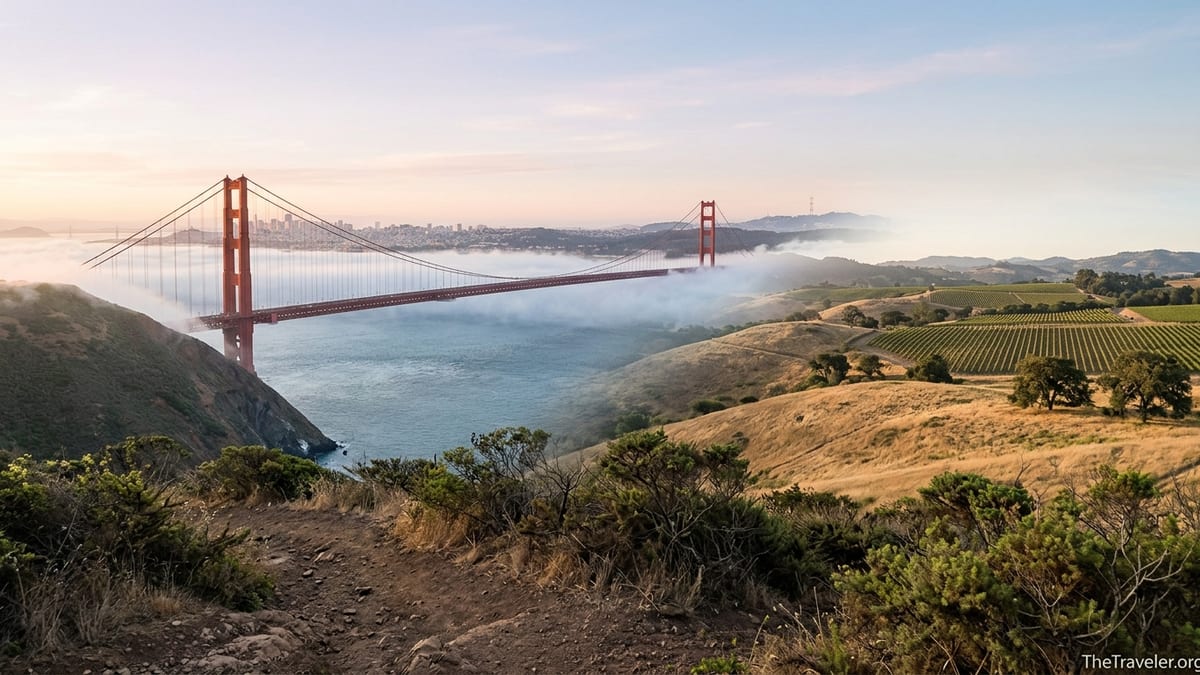
Fog is central to the San Francisco experience. In summer, hot air rising in California’s inland valleys creates a low-pressure zone that pulls in cool, moist marine air through the Golden Gate, feeding the city’s famous blanket of fog. Locals jokingly call it Karl the Fog. It tends to be thickest in June, July and August, especially around the Golden Gate Bridge, Ocean Beach and neighborhoods like the Richmond and Sunset.
Napa and Sonoma Valley, by contrast, sit inland and enjoy long, warm growing seasons, with bud break in spring, steady heat through summer, and grape harvest from roughly August through October depending on the year. Coastal spots such as Point Reyes and Bodega Bay stay cooler and windier year-round, with more fog in summer and crisp, clear days in fall and winter.
For travelers, the trick is to think in microclimates. You might need a puffy jacket and beanie at San Francisco’s Crissy Field in July morning fog, then be in short sleeves by afternoon in Yountville or Healdsburg. The best time to visit depends on which side of that contrast you want more of and how sensitive you are to crowds and hotel prices.
January to March: Quiet Deals and Green Hills
January and February are among the quietest months for tourism across the region, with the exception of certain convention weeks in San Francisco and holiday weekends. In the city, expect cool, damp weather with frequent rain systems and daytime highs often in the mid 50s Fahrenheit. The fog is generally less dramatic than in summer, replaced by low clouds and showers, though you still get clear, crisp days with excellent views after storms pass.
In Napa and Sonoma, this is the heart of the wet season. Vines are dormant and the hills glow bright green, with mustard flowers carpeting vineyard rows by late January or February in many years. Wine professionals sometimes call this Cabernet Season, when tasting rooms are calmer and hosts have more time to talk through flights. Many wineries that require reservations in fall have far more open slots, and some waive fees with bottle purchases more readily on slower weekdays.
Hotel prices are typically at their lowest outside major events. It is not unusual to find central San Francisco business hotels that go for 350 to 400 dollars in summer loaded dates dropping closer to 175 to 225 dollars on a February weeknight. In Napa Valley, upscale resorts that push above 800 dollars in October can release rooms in the 400 to 500 dollar range with midweek winter promotions. You will likely also find more last-minute availability for desirable properties in Sonoma towns like Healdsburg or Glen Ellen.
March is transitional. Rain is still possible, but storms tend to space out and days lengthen. Wildflowers and mustard are often still visible in wine country, and some early bud break may begin in lower, warmer vineyards. This is a strong choice if you want low to moderate prices, green landscapes and are comfortable with some weather volatility. It is less ideal if your main goal is lounging by hotel pools or ensuring dry days on the coast.
April to June: Blooming Vines and Building Crowds
April feels like spring across most of the region. San Francisco gets more consistent sunshine, though evenings remain cool and windy near the bay. A typical day might start in the high 40s or low 50s and climb into the 60s, pleasant for walking neighborhoods like the Mission or North Beach with a light jacket. Fog is generally lighter than in midsummer, and sunset views from Twin Peaks or the Marin Headlands are often clear.
In wine country, April and May bring bud break and early vine growth. Vineyards near towns such as Napa, St. Helena, Sonoma and Sebastopol shift from bare sticks to lush green rows. Daytime highs frequently reach the low to mid 70s by May, with cool evenings that reward patio dinners and fire pits. Many travelers consider April and May the sweet spot for Napa and Sonoma touring, thanks to comfortable temperatures, vivid scenery and thinner crowds than harvest season, though weekends can still be busy.
Hotel prices begin rising in May across the Bay Area. In San Francisco, late May and June tie into the broader tourist season and Pride month events, which can push downtown rates back above 300 dollars per night at midrange properties and higher at boutique hotels around Union Square and the Embarcadero. In Napa and Sonoma, tasting fees often tick up for new vintages and weekend rates at popular inns and resorts climb notably compared with winter.
June marks the start of the classic foggy pattern in San Francisco. Mornings along the waterfront and in western neighborhoods often sit under a dense marine layer, with sun breaking through downtown or in Noe Valley by midday. At the same time, wine country afternoons can reach the low to mid 80s, making this a great month for poolside time in Calistoga or Glen Ellen combined with cooler evenings back in the city.
July and August: Peak Fog, Coastal Chill and Wine Country Heat
July and August are paradoxical in the Bay Area. This is high summer, yet San Francisco itself often feels coldest now. Marine fog is dominant along the Golden Gate and western shoreline, sometimes pouring over the hills in the afternoon like a slow waterfall. Daytime highs can sit stubbornly in the upper 50s to low 60s near the bridge, with wind that makes a fleece and windbreaker combination essential for Golden Gate Bridge walks or Alcatraz evening tours.
These months are prime time if your dream is to photograph the Golden Gate Bridge half-shrouded in fog from Battery Spencer in Marin or from Baker Beach. Just be prepared for variable visibility: on some mornings, the bridge nearly disappears in a thick white wall; on others, fog lifts quickly, revealing bright blue skies. In town, neighborhood microclimates matter. Areas like the Mission District, Potrero Hill or the Marina often feel 5 to 10 degrees warmer and sunnier than Ocean Beach or the Presidio on the same afternoon.
In Napa and Sonoma, July and August are reliably hot and dry. Vines are in full leaf and grape clusters have formed, with veraison (the color change in grapes) beginning in many red varieties by late July or August. Afternoons can climb into the upper 80s or low 90s in inland spots like St. Helena or Healdsburg, while Carneros and Russian River Valley stay a bit cooler. Wineries are busy, especially on weekends, and you will see more group tours and bachelorette parties arriving in limousines or on wine shuttles.
This is also high season for hotel prices in both the city and wine country. Family vacations, school holidays and steady conference traffic in San Francisco push mainstream hotels toward their annual peaks, with standard rooms at recognizable chains often surpassing 350 to 450 dollars per night in central areas and boutique properties commanding even more. In Napa Valley and popular Sonoma towns, many well-known resorts sell out summer weekends months in advance, and tasting room reservations at top estates can book out several weeks ahead.
September and October: Golden “Summer” and Wine Harvest
Locals often say that September and early October are the true summer in San Francisco. Inland heat weakens slightly while the pressure gradient that drives thick fog eases, leading to more clear mornings and warm afternoons. Highs in the city routinely reach the upper 60s to mid 70s, with days in the 80s not uncommon in sheltered neighborhoods. Sunset at places like Marshall’s Beach, Lands End or Coit Tower can be spectacular, with less wind and clearer horizons than in July.
This same period is the heart of wine grape harvest in Napa and Sonoma. From roughly late August through October, wineries pick fruit in waves as varieties reach optimal ripeness. You may see night harvesting headlights moving through hillside vineyards above Oakville or on the slopes near Glen Ellen, or catch the smell of fermenting grapes drifting from open winery doors in Yountville or Dry Creek. Many properties host harvest dinners, themed tasting flights and, at a few, grape-stomping events for visitors.
The trade-off is crowds and cost. September and early October are typically the most in-demand months of the year for wine country, with hotel rates near their peak and two-night minimum stays common at small inns. Tasting fees tend to be at their highest and reservations are essential for marquee producers and Michelin-recognized restaurants. In San Francisco, this is also one of the busiest stretches, with major conferences, late baseball season and generally ideal weather filling hotels. It is not unusual to see otherwise midrange downtown hotels pricing above 400 to 500 dollars a night during large tech conferences.
For travelers willing to plan and pay for peak season, this window offers the most complete multi-area experience: warm, largely clear days in San Francisco, active harvest scenes in Napa and Sonoma, and some of the nicest weather of the year on the coast. Places like Point Reyes, Stinson Beach and Bodega Bay often enjoy crisp, fog-light mornings and comfortable afternoons in the 60s and low 70s, ideal for hiking the Tomales Point trail or walking the Sonoma Coast State Beach.
November and December: Clear Skies, Early Rains and Holiday Atmosphere
By November, the region begins to shift toward winter. In San Francisco, fog retreats further and is replaced by alternating stretches of sunny, cool days and Pacific storm systems. Post-storm air can be exceptionally clear, rewarding those who hike Twin Peaks or climb the Filbert Steps to Telegraph Hill with far-reaching views. Daytime highs generally sit in the low to mid 60s, with chilly evenings that call for layers and occasional rain showers.
In wine country, early November can still feel like late fall, with yellow and red leaves on the vines and some late-harvest grapes hanging in cooler pockets. By late November, most vineyards have been picked and pruned, and tasting rooms adopt a quieter rhythm. This is a good time for travelers who enjoy cozy tasting experiences: think seated flights by fireplaces, library Cabernet tastings and fewer people crowding bar tops. Prices also begin to ease, particularly after Thanksgiving.
December is fully off-peak for wine tourism, except for holiday and New Year’s weekends. Napa and Sonoma towns decorate main streets with lights and wreaths, and hotels may run seasonal packages that combine reduced room rates with spa credits or complimentary tastings at partner wineries. Storm frequency increases, and while you can still get bright, sunny days, you should expect a higher chance of rain and cooler evenings dipping into the 40s.
For the coast, late fall and early winter bring dramatic surf and excellent air clarity. Point Reyes and the Marin Headlands can be stunning on clear December days, with fewer day-trippers and photographers. Just be prepared for strong wind and cold spray and keep an eye on local advisories, as some trails can become muddy or temporarily close after heavy storms.
Month-by-Month Guide for Fog, Wine, Coast and Prices
January: Cool and wet in San Francisco with relatively little dramatic fog, green hills emerging and quiet streets. Napa and Sonoma see bare vines and often vivid mustard fields. This is one of the best months for value, with comparatively low hotel rates and flexible tasting schedules, especially midweek. It is a smart time if your focus is wine discussions rather than vineyard scenery.
February: Still part of the rainy season but with slightly longer, brighter days. Wine country remains calm, with some boutique wineries hosting winemaker weekends and cellar-focused experiences. San Francisco hotels maintain off-peak pricing between major events, and you can often secure waterfront rooms for less than you would pay in summer. Fog remains modest, though coastal drives may alternate between dramatic storm clouds and piercing blue skies.
March: Transitional, with rain tapering and more frequent sunny days. Vineyards begin to show early bud break in warmer subregions, and hills stay green. Prices generally sit in a middle band: higher than deep winter, lower than harvest. This is a balanced month for travelers wanting a bit of everything without extremes in weather, crowds or cost.
April: Pleasant in San Francisco and excellent in wine country. Budding vines, blossoms and comfortable temperatures make April one of the best months for photography and outdoor dining in Napa, Sonoma and along the Russian River. San Francisco’s fog pattern is still light, so views of the Golden Gate are more reliably clear than in June or July. Prices start creeping up, particularly around Easter and spring break.
May: Consistently warm in wine country but not yet at peak heat. San Francisco sees more afternoon wind along the bay, though fog stays moderate. Hotel rates and tasting room crowds build ahead of summer, but you can still find relative value by targeting Sunday through Thursday nights in both the city and wine regions.
June: Start of the classic fog season along the coast and in San Francisco. Mornings can be gray and cool near the Golden Gate, yet pleasant inland. Napa and Sonoma are firmly into their summer pattern with long, warm days and late sunsets. Families begin their vacation travel, nudging up room prices. This is a great month if you want to experience Karl the Fog in the city and then escape to sunny vineyards in the afternoon.
July: Peak foggy spectacle in San Francisco and peak summer heat in wine country. Expect crowded attractions, higher hotel prices and busy tasting rooms. If your priority is iconic fog photography and you do not mind layering up and planning further ahead, July can be rewarding. For lower prices in the same season, consider early June or the final week of August outside major events.
August: A bridge month between high summer and harvest. Fog remains strong in San Francisco, but inland valleys occasionally see heat spikes that push wine country into the 90s Fahrenheit. Early harvest for some white grapes and sparkling wine production may begin in Napa and Sonoma by late August. Prices are still high but sometimes a touch softer than peak September, particularly in the final days before Labor Day if no large events coincide.
September: Often the single best month for weather across the wider region. San Francisco enjoys warm, clear days with reduced fog and cooler evenings. Napa and Sonoma are in full harvest, and the coast often has some of its clearest, calmest weeks. It is also one of the most expensive and crowded periods, with hotels in both San Francisco and wine country frequently reaching annual rate highs and booking out well in advance.
October: Continuing harvest season with slightly cooler temperatures and striking fall color in the vineyards by late month. San Francisco remains relatively warm and clear, although the first rain systems can appear late in the month. This is arguably the ideal month for a combined itinerary of city, wine country and coast, provided you are comfortable with premium pricing and make reservations early for lodging, tastings and notable restaurants.
November: Early in the month can still feel like extended fall, while late November begins to resemble winter. Harvest is essentially finished, and wine country towns are quieter. Bargain hunters who want a hint of fall foliage without harvest chaos may find good value in the second half of the month, avoiding Thanksgiving. San Francisco hotel prices ease once major conferences wrap, and coastal trails see fewer day-trippers.
December: Cool, often wet, and atmospheric. Holiday lights in Union Square and along San Francisco’s Embarcadero add charm, and wineries decorate tasting rooms for the season. This is among the most affordable months for lodging in both the city and wine country, except for Christmas and New Year’s. Fog is less of a highlight; instead, clear breaks between storms deliver some of the crispest air and longest views of the year.
Best Periods for Multi-Area Sightseeing and Lower Prices
If your goal is to combine San Francisco, wine country and the Pacific coast in a single itinerary, shoulder seasons usually offer the best blend of weather, availability and cost. Late April through mid May is an excellent window, with comfortable temperatures in all three zones, new growth in the vineyards, emerging wildflowers on coastal hills and a relatively low risk of extended storms. During this time, you are more likely to find three-star city hotels in the 250 to 325 dollar range and midrange wine country properties charging noticeably less than in harvest or high summer.
Another strong option is the late winter into early spring shoulder, particularly from late February through March. While rains are still possible, they are often interspersed with bright, clear days, and the countryside looks its greenest. Napa and Sonoma tasting rooms are quiet enough that you can curate detailed lineups with shorter notice, and you will see significantly more midweek rate promotions. On the coast, Point Reyes and Bodega Bay can be breezy but reward visitors with dramatic surf and good wildlife viewing.
For travelers focused on value above all, January and early February deliver the lowest typical hotel rates across the board, barring large conventions or holiday weekends. This can be an ideal time for food-forward itineraries: you can linger over tasting menus in San Francisco’s top restaurants, reserve wine country tastings that would be impossible in October, and still enjoy occasional clear days for photos of the Golden Gate and vineyard landscapes framed by green hills.
If your priority is the classic golden harvest experience, consider early October weekdays as a compromise between atmosphere and cost. By then, many grapes are still being picked or fermented, the weather is usually excellent, and some of the very peak September hotel rates may have eased slightly, especially from Monday to Thursday. Booking lodging and key tastings three to six months ahead is wise for this period.
The Takeaway
No single month is objectively the best time to visit the San Francisco Bay Area and wine country. Instead, each season offers a different balance of fog, sunshine, vineyard activity, coastal drama, crowds and cost. Summer delivers iconic foggy bridge views and hot, lively vineyards but at the highest prices. Fall brings near-perfect weather and harvest theater alongside intense demand. Winter trades vineyard leaves and pool weather for quiet tasting rooms, green hills and meaningful savings. Spring stitches the best of several worlds together with blossoms, reasonable rates and manageable crowds.
To choose your timing, start with your priorities. For fog and photography, favor June through August weekends in San Francisco paired with day trips inland to escape the chill. For wine country color and harvest ambiance, target September or early October and budget for higher rates. For lower prices and more intimate experiences, look to January through March or select midweek dates in April and November. With a bit of planning around microclimates and event calendars, it is entirely possible to craft a trip that feels like your own private best time to visit.
FAQ
Q1. When is the foggiest time to visit San Francisco for iconic Golden Gate views?
The foggiest period is typically June through August, especially around the Golden Gate and Ocean Beach, though fog patterns vary day to day.
Q2. What months are best for visiting Napa and Sonoma during grape harvest?
Most visitors experience harvest activity between late August and October, with September and early October offering the most visible picking and fermenting.
Q3. When are hotel prices generally lowest in San Francisco and wine country?
January, February and parts of early March usually offer the lowest rates, aside from major conventions or holiday weekends that can temporarily push prices up.
Q4. Is it worth visiting Napa or Sonoma in winter when the vines are bare?
Yes. Winter brings green hills, fewer crowds, more personal attention in tasting rooms and better lodging value, even if vineyard photos look less lush.
Q5. Which months offer the best balance of weather and price for a multi-area trip?
Late February through March and late April through mid May often provide comfortable weather, moderate crowds and more manageable hotel and tasting costs.
Q6. Are coastal spots like Point Reyes and Bodega Bay better in summer or fall?
Fall usually offers clearer skies, calmer wind and excellent hiking conditions, while summer can be cooler and foggier along the immediate shoreline.
Q7. How far in advance should I book wine tastings in peak harvest season?
For popular wineries in September and early October, booking four to eight weeks ahead is sensible, with even more lead time for weekend or large-group visits.
Q8. Can I comfortably combine San Francisco and wine country in a single day trip?
Yes, many travelers do, but expect at least 60 to 90 minutes of driving each way and plan around traffic by leaving the city early and returning after dinner.
Q9. What should I pack for a Bay Area trip in summer?
Pack layers: a light down or fleece jacket, windproof shell, jeans and a mix of short and long sleeves so you can handle foggy city mornings and hot inland afternoons.
Q10. Is September always the most expensive month to visit?
September is often among the priciest due to near-ideal weather and harvest season, but exact prices depend on specific event weeks, holidays and how early you book.