


Few travel decisions stir up more debate than whether to spend precious vacation days in Northern or Southern California. On one side you have foggy San Francisco, ancient redwood forests and wine country. On the other, sun-washed Los Angeles and San Diego, classic Pacific beaches and the cinematic deserts of Joshua Tree and Death Valley. Both regions are extraordinary, but they deliver very different trips. This guide breaks down the key differences in experiences, weather, logistics and costs so you can decide which part of California is the better fit for your next journey.
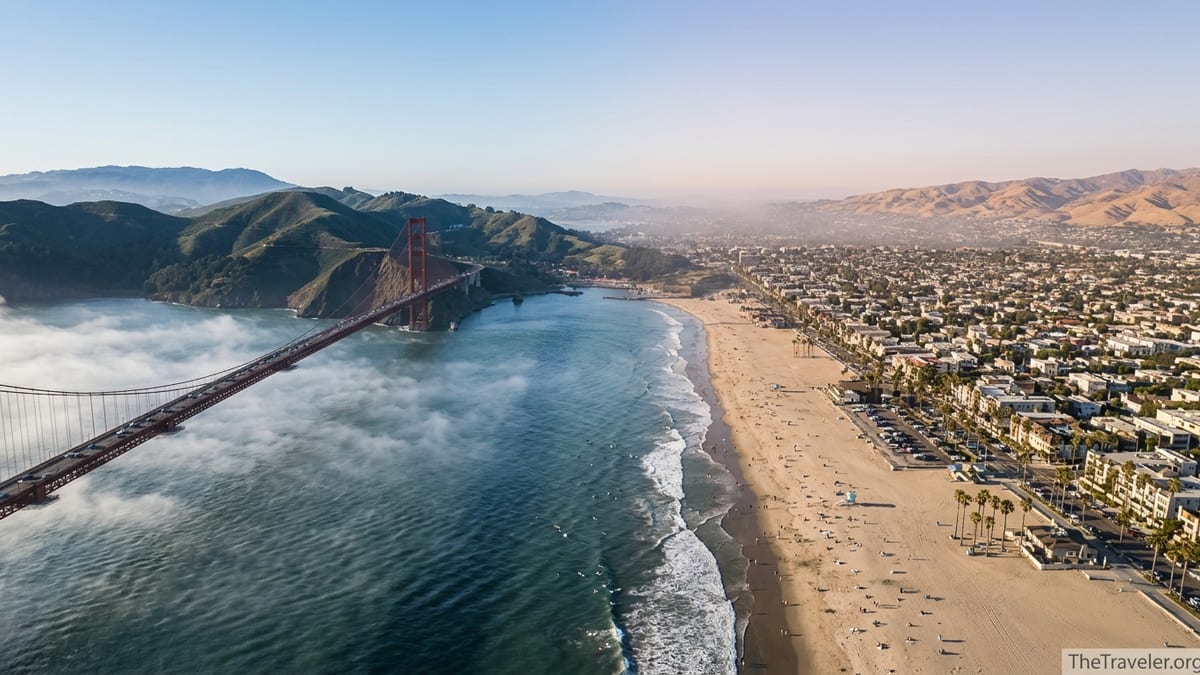
Big Picture: How the Two Californias Feel
Northern and Southern California share a coastline, but the overall feel on the ground is strikingly different once you step out of the airport. In the north, San Francisco’s steep streets, Victorian houses and persistently chilly wind off the Pacific contrast with mossy redwood forests and vineyard valleys a short drive away. In the south, broad freeways link Los Angeles, Orange County and San Diego with a chain of warm beaches and dry, rocky mountains that slip into the desert.
In Northern California, itineraries tend to revolve around San Francisco paired with nature: a long weekend in the city followed by road trips to Muir Woods, Sonoma or Napa, Point Reyes, Lake Tahoe or Yosemite. Many travelers split a week between urban exploration and quiet cabins among the redwoods or granite cliffs. Southern California trips more often mix multiple cities and beaches, for example a few nights in Los Angeles, a couple of days in Disneyland Resort in Anaheim and a long weekend in San Diego, with optional detours into the desert around Palm Springs or Joshua Tree National Park.
Another difference is how compact destinations feel. The core sights of San Francisco, from the Embarcadero to Golden Gate Park, sit within a small peninsula that rewards walking and public transit. In Southern California, attractions are spread out; driving from Santa Monica to Disneyland or from downtown Los Angeles to La Jolla in San Diego can each take 1.5 to 2 hours in traffic. If you are allergic to driving, Northern California often feels more manageable. If you like long, open road days with the windows down and playlists up, Southern California can be a dream.
Cities: San Francisco vs Los Angeles and San Diego
San Francisco is the obvious northern anchor for most visitors. The city’s compact core means you can ride the historic cable cars, stroll Fisherman’s Wharf and North Beach, explore Chinatown, see the Mission’s murals and walk across the Golden Gate Bridge in three to four days without a car. Neighborhoods are dense and distinct, with corner cafes, stairways and viewpoints such as Twin Peaks or Coit Tower never far away. Cool, foggy evenings are the norm in summer, even in July and August, so a warm layer is essential.
In Southern California, Los Angeles and San Diego offer two very different urban bases. Los Angeles sprawls across dozens of communities: film history in Hollywood, nightlife in West Hollywood, galleries and restaurants downtown, surf culture in Venice and Malibu, and theme parks such as Universal Studios Hollywood and Disneyland Resort within day-trip reach. You will almost certainly rent a car or rely heavily on ride-hailing to make the most of it. San Diego is more relaxed and cohesive, with waterfront paths around the Embarcadero, historic streets in Old Town, craft breweries and beaches like Mission, Pacific and La Jolla all within a short drive.
If your ideal trip centers on museums, architecture and progressive dining, San Francisco, downtown Los Angeles and some San Diego neighborhoods all deliver. For example, you might pair the San Francisco Museum of Modern Art and the Asian Art Museum with an evening of dim sum in the Richmond District. In Los Angeles, the Getty Center’s hilltop campus, the Academy Museum of Motion Pictures and street food in Koreatown or the San Gabriel Valley can fill several days. Families drawn to theme parks usually find Southern California the stronger choice, since you can combine Disneyland, Disney California Adventure Park, Knott’s Berry Farm, LEGOLAND California and the San Diego Zoo within a single itinerary.
Nature, National Parks and Classic Road Trips
When it comes to dramatic landscapes, Northern California leans green and granite while Southern California leans sand and stone. In the north, marquee nature trips often pair San Francisco with redwood country or the Sierra Nevada. Muir Woods National Monument, about 45 minutes from downtown San Francisco, offers easy walks among towering coastal redwoods that can reach heights over 200 feet. Farther north, state parks around Humboldt County protect some of the tallest trees on Earth and feel far more remote, with rustic lodges, simple motels and forested campgrounds rather than big resorts.
Yosemite National Park is a major reason many travelers choose Northern California. Recent National Park Service statistics show Yosemite drawing several million visitors a year, with visitation climbing back toward pre-pandemic peaks. The valley’s combination of sheer cliffs, waterfalls and meadows is unmatched, but you need to be comfortable with crowds, especially on summer weekends. Many visitors now aim for shoulder seasons in May–early June or late September–October, when trails are often open but temperatures are cooler and lodging slightly easier to secure.
Southern California’s signature wild landscapes are its deserts and wide beaches. Joshua Tree National Park, roughly 2.5 hours from Los Angeles, offers otherworldly rock piles and forests of prickly Joshua trees best explored at sunrise or sunset when the heat eases. Death Valley National Park, a bit farther from Los Angeles or Las Vegas, has become one of California’s fastest growing desert destinations, with more than a million annual visitors in recent years and record-breaking heat each summer. If you choose the south for a desert-heavy itinerary, plan early morning hikes, carry more water than you think you need and build in rest time at your lodge or motel midday.
Road trip fans should also think about how they want to connect destinations. A classic Northern California loop might run from San Francisco across the Golden Gate Bridge to Sonoma wine country, then east to Lake Tahoe or Yosemite before dropping back to the Bay Area. Distances are moderate, with most legs in the 3 to 4 hour range. In Southern California, a popular weeklong drive strings together Santa Monica, Malibu and Ventura, heads inland to Palm Springs and Joshua Tree, then continues south along the coast through Laguna Beach and Oceanside to San Diego. Expect more time on freeways and a greater emphasis on beach stops and poolside afternoons.
Beaches, Coastlines and Outdoor Fun
Both regions promise Pacific views, but the beach experience is quite different. Northern California’s coast runs cooler and wilder. Around San Francisco, popular spots like Ocean Beach and Baker Beach often have cold water, strong currents and chilly wind. Locals are more likely to be bundled in fleece walking dogs or picnicking behind a windbreak than swimming. A bit north, beaches at Point Reyes National Seashore and along the Sonoma and Mendocino coasts feel remote and rugged, with tide pools, sea stacks and cliff-top trails. Wetsuits are standard for surfers, and fog can roll in quickly even in midsummer.
Southern California beaches are the images you see on postcards: volleyball courts on Santa Monica and Manhattan Beach, surfers riding breaks at Malibu and Huntington, fire pits flickering at Bolsa Chica and quiet coves at Laguna or La Jolla. Water is still cooler than many first-time visitors expect, but far more people swim and surf without full wetsuits, especially in late summer and early fall when the Pacific warms. Beach culture is central to everyday life; even inland residents think nothing of driving an hour to join friends for sunset at the pier.
Outdoor activities follow the same pattern. In Northern California, serious hikers tackle routes like the Mist Trail to Vernal and Nevada Falls in Yosemite, the Dipsea Trail near Mount Tamalpais or multi-day backpacking segments of the Pacific Crest Trail around Lake Tahoe. Kayaking on Tomales Bay, tasting rooms in Napa and Sonoma and winter skiing in Tahoe round out four-season appeal. In Southern California, a typical active day might include surfing lessons in San Diego’s Pacific Beach, mountain biking in the Santa Monica Mountains or sunrise hiking in Joshua Tree followed by a long soak in a Palm Springs hotel pool.
Weather and Best Times to Visit
California’s image is endless sunshine, but regional weather can surprise first-time visitors. Northern California has a Mediterranean pattern with wet winters and dry summers, but the coast is cooled by the Pacific. San Francisco is famously foggy in summer, with daytime highs often sitting in the low 60s Fahrenheit in July and August and evenings dropping into the 50s. Inland destinations such as Napa or Sacramento run much hotter at the same time, commonly into the high 80s or 90s during summer afternoons, which can make vineyard afternoons or lake days appealing if you handle heat well.
Southern California tends to be warmer and drier overall, particularly from late spring through fall. Coastal Los Angeles and San Diego see plenty of sunshine, with summer daytime temperatures often in the 70s or low 80s, though short heatwaves occasionally push readings higher. Desert destinations such as Palm Springs, Joshua Tree and Death Valley can be dangerously hot from roughly June through September, with afternoon highs frequently into the triple digits. These months are typically considered off-season for strenuous outdoor desert hiking and more suited to pool, spa and short dawn or dusk walks.
For Northern California, the most comfortable and photogenic periods are often April through early June and September through October. Spring brings green hillsides and full waterfalls in Yosemite, though higher elevation trails may still carry snow. Autumn usually offers clearer skies and warm, calm days in San Francisco and wine country, along with fall color in the Sierra. In Southern California, May and June can see a marine layer of low clouds along the coast that locals call “May Gray” and “June Gloom,” which tends to burn off by midday. Late September and October frequently deliver the warmest ocean water and some of the best beach weather of the year.
Accommodation, Transport and Typical Trip Costs
Costs fluctuate seasonally, but recent lodging data gives a sense of what travelers can expect. In 2024, the average daily hotel rate in San Francisco hovered in the mid 200 dollar range per night for standard rooms, with higher prices for boutique properties or rooms with bay views. Budget options like older motels or simple chain hotels on the city’s southern edge can sometimes drop closer to 150 dollars per night outside major conventions or holidays, while luxury hotels around Union Square or the Embarcadero commonly charge several hundred dollars a night.
Los Angeles and San Diego show a similar spread, though nightly averages can be slightly lower on paper because of the huge supply of properties across wide metro areas. Midrange hotels in areas like Hollywood, Santa Monica or downtown San Diego often price in the 200 to 300 dollar range in popular months, with simple motels along major boulevards or near the airport starting around 130 to 180 dollars. Beachfront resorts in areas such as Santa Monica, Laguna Beach or La Jolla regularly exceed 400 dollars a night, especially on summer weekends or around major events.
Transportation also shapes your budget. In San Francisco, many visitors manage without a car for several days by using the city’s buses, light rail lines and ride-hailing services. A typical strategy is to stay car-free while in the city, then pick up a rental only when departing for Yosemite, Lake Tahoe or wine country. In Southern California, most itineraries rely on renting a car from the outset, since Los Angeles and Orange County in particular are built around driving. Gas prices in California are typically higher than the United States average, so longer distances and more time on the road can add noticeably to the overall cost of a Southern California trip.
Day-to-day spending on food and attractions is somewhat similar in both regions, especially in major cities. Expect casual sit-down dinners, such as tacos in San Diego’s North Park or a bowl of seafood cioppino in San Francisco’s North Beach, to run roughly 20 to 30 dollars per person before drinks. Admission to marquee attractions such as the San Diego Zoo, major museums or guided wine country tours commonly sits in the 30 to 70 dollar range per adult. Where Southern California can quickly become more expensive is when you add multiple theme parks; a single day at a flagship park like Disneyland often costs hundreds of dollars per family once tickets, parking and food are counted.
Which Region Suits Which Traveler?
With the basics in mind, the real question is not which region is objectively better, but which is better for your style of travel. Northern California generally suits visitors who prioritize dramatic nature, cooler weather and walkable urban days rooted in history and culture. If your dream trip includes standing under 1,000 year old redwoods, hiking to Yosemite viewpoints at sunrise, sipping small-production pinot noir in Sonoma and ending each day in a compact city neighborhood where you can walk to dinner, the north stacks the deck in your favor.
Southern California tends to be ideal for travelers chasing sun, warm beaches and a mix of big-name attractions. Families with children often gravitate south, where they can combine days at Disneyland Resort, Universal Studios Hollywood and LEGOLAND California with downtime on beaches in Orange County or San Diego. Couples craving poolside relaxation and spa time will find more resort-style options in places like Palm Springs, Laguna Beach or La Jolla than they will in coastal Northern California, where lodging leans more toward inns, historic hotels and cabins.
Time of year and trip length also matter. With just three or four days in winter, a San Diego base with quick side trips to La Jolla and Coronado can offer more dependable sunshine and outdoor dining than San Francisco, which is often rainy between December and March. With 10 to 14 days in late spring or fall, you could realistically design a Northern California loop that includes San Francisco, Yosemite and the redwood coast or a Southern California route that threads together Los Angeles, Palm Springs, Joshua Tree and San Diego. If this is a once-in-a-decade California adventure, some travelers even split the difference and fly into San Francisco and out of San Diego, connecting the two regions along the iconic coastal Highway 1.
The Takeaway
Choosing between Northern and Southern California is less about finding a “winner” and more about matching the region to your priorities, budget and season. Northern California offers a blend of compact city life in San Francisco, easy public transit, cool coastal weather and access to towering redwoods, granite cliffs and wine country within a half day’s drive. It works especially well for travelers who value hiking, scenic road trips and neighborhoods you can explore on foot.
Southern California excels when you want warmth, classic beach days, a spread of big-city neighborhoods and the option to fold in iconic attractions like Disneyland, Universal Studios and the San Diego Zoo. You will drive more, but you will also have more choice of beachfront hotels, pools and desert retreats. If you thrive on long, sunny days, outdoor dining and hopping from city to city, the south may suit you better.
If you are still undecided, use one simple test. Picture your perfect California morning. If you imagine pulling on a light jacket to walk through fog to a cafe before driving into the mountains or vineyards, choose Northern California. If you see yourself slipping into sandals, grabbing a towel and heading straight for the beach or pool before a late night in the city, Southern California is probably your place.
FAQ
Q1. Is Northern or Southern California better for a first-time visitor?
For a first visit focused on classic California beaches, theme parks and sunshine, Southern California often feels closer to the popular image of the state. If your priorities lean more toward dramatic national parks, redwoods and a dense, walkable city, starting in Northern California around San Francisco and Yosemite can be more rewarding.
Q2. Which region is cheaper to visit overall?
Both regions can be expensive, but costs often come down to lodging and transportation. Average hotel rates in San Francisco, Los Angeles and San Diego are broadly similar, yet Southern California trips can become pricier if you add multiple theme parks and long drives. Northern California itineraries that focus on San Francisco plus a single nature area and rely partly on public transit can be slightly easier to keep on budget.
Q3. Do I need a rental car in Northern and Southern California?
In San Francisco, you can comfortably spend several days without a car by using public transit and ride-hailing, then rent a vehicle only when heading to Yosemite, Tahoe or wine country. In Southern California, a rental car is strongly recommended for most travelers, since Los Angeles, Orange County and many beaches are spread out and not fully connected by convenient rail.
Q4. When is the best time to visit Northern California?
Late spring and early fall usually offer the best balance of weather and crowds for Northern California. From April to early June, hills are green and waterfalls strong, while September and October often bring clear skies, warm but not hot days and grape harvest season in wine country. Winter can be rainy on the coast but excellent for snow sports in the Sierra Nevada.
Q5. When is the best time to visit Southern California?
Southern California is appealing year-round, but late September through October often delivers especially pleasant conditions, with warm ocean water and plenty of sunshine. May and June can be cooler and cloudier along the coast because of the marine layer, while the deserts around Palm Springs and Joshua Tree are generally most comfortable from roughly November to April.
Q6. Which region is better for families with children?
Southern California usually edges ahead for families thanks to the concentration of major attractions such as Disneyland Resort, Universal Studios Hollywood, LEGOLAND California and the San Diego Zoo. You can combine multiple parks with beach days in Orange County or San Diego. Northern California can still work very well for outdoorsy families who want to mix San Francisco’s cable cars and museums with easy hikes among redwoods or gentle trails in Yosemite.
Q7. Where should I go if I love national parks and hiking?
If national parks are your top priority, Northern California is often the stronger choice because of Yosemite and easier access to the Sierra Nevada, as well as redwood parks along the north coast. However, Southern California is better for winter hiking in desert parks such as Joshua Tree and Death Valley, which are too hot for serious walking in midsummer but superb from roughly late fall through early spring.
Q8. Which region has better food and nightlife?
Both regions have excellent food scenes, but they feel different. San Francisco packs a high density of restaurants and bars into a small footprint, so you can easily walk between dinner in the Mission and drinks in Hayes Valley. Los Angeles spreads its dining culture across many neighborhoods, from Koreatown to the Arts District, with a huge variety of global cuisines. Nightlife in Los Angeles usually runs later and more varied, while San Diego’s bar and brewery scene is strong but more laid-back.
Q9. Is it realistic to visit both Northern and Southern California in one trip?
Yes, if you have at least 10 to 14 days, visiting both regions is realistic. Many travelers fly into San Francisco, spend a few days, then drive or fly south to Los Angeles or San Diego for a second base. The coastal drive along Highway 1 between roughly Monterey and Santa Barbara is scenic but slow, so plan at least one or two overnight stops if you choose to connect the regions by car.
Q10. How far in advance should I book accommodation and park reservations?
For peak summer and popular holiday periods, aim to book city hotels and national park lodgings several months in advance, especially near Yosemite or along sought-after beaches. Some parks periodically adjust reservation systems or day-use permits depending on visitation levels and staffing, so it is wise to check current requirements on official park channels before you finalize your plans.