


California is one of the easiest places in the United States to plan a vacation, yet one of the hardest to choose a format for. Between escorted group tours, national park packages, coastal itineraries along Highway 1, private trips and classic self-drive road journeys, it can be difficult to know when a package is worth the money and when you are better off booking everything yourself. This guide breaks down the main types of California vacation packages, with real-world examples from current operators, typical inclusions and price ranges, plus clear advice on who each option is best for.
How California Vacation Packages Work in 2026
Most California vacation packages fall into five broad categories: escorted coach tours, focused national park itineraries, coastal and Highway 1 trips, private or custom tours, and independent self-drive packages. Escorted tours usually mean you travel by motorcoach with a fixed group, a tour director and a set itinerary that covers big-name stops like San Francisco, Yosemite and Los Angeles. Self-drive packages, by contrast, bundle hotels, a suggested route and sometimes activities while you drive a rental car on your own schedule.
For example, California Tours currently sells an eight day self-driving “California Coast Road Trip” from San Diego to San Francisco with seven nights of accommodation starting around 1,800 dollars per person based on double occupancy, covering beach towns such as Santa Barbara, Solvang, Paso Robles wine country, Big Sur and Monterey. The company arranges hotels and routing, while travelers pay separately for the rental car and fuel. This type of product is typical of independent packages built around the Pacific Coast Highway and Highway 101.
Escorted national park tours are another important segment. Trafalgar and other large operators run roughly week-long itineraries that link Death Valley, Yosemite, Kings Canyon and Sequoia, usually starting or ending in Las Vegas or San Francisco. One recent eight day “California’s Great National Parks” itinerary visits Death Valley National Park, Mammoth Lakes, Yosemite National Park, Kings Canyon and Sequoia, with transport by coach, a tour director, some meals and park entrance fees bundled into a price that often starts around the mid 3,000 dollar range per person before flights, depending on departure date and occupancy.
At the top end, premium brands such as Tauck and small-group adventure specialists like Intrepid or G Adventures operate California departures with smaller groups, upgraded properties or more active inclusions. At the same time, local outfits based in Monterey, San Simeon and Santa Barbara now market overnight coastal packages and private Highway 1 tours that can be stitched into a longer self-drive. Understanding how these pieces fit together is the first step to deciding which style of trip is right for you.
Escorted California Tours: Pros, Cons and Real Examples
Escorted coach tours remain one of the most straightforward ways to see a lot of California in a limited time frame. Companies such as Trafalgar, Globus and other large international operators sell California itineraries that typically run from seven to ten days, using full-size motorcoaches and staying in midrange chain hotels or well-located local properties. A typical 8 day loop might start in Las Vegas, continue to Death Valley for desert scenery, cross the Sierra Nevada toward Mammoth Lakes, spend two nights inside or near Yosemite National Park and finish with Sequoia and Kings Canyon before returning to the starting city.
Inclusions on these escorted trips usually cover transportation by coach, the services of a tour director, local sightseeing in cities like San Francisco or Los Angeles, national park entrance fees and some breakfasts and dinners. You will still pay out of pocket for lunches, most evening meals, optional excursions and gratuities. A midscale escorted national parks itinerary for 2025 or 2026 typically starts around 3,500 to 4,500 dollars per person sharing, with single supplements adding several hundred to more than a thousand dollars depending on the brand and season.
The advantages are predictability and simplicity. Travelers who are nervous about mountain driving, unfamiliar with California’s distances or simply prefer not to manage daily logistics tend to appreciate having a professional driver, a set schedule and luggage handled for them. Escorted tours also make it easier to visit high-demand destinations like Yosemite at peak times because operators block hotel space well in advance. On national park routes where accommodation inside the park is limited and sells out months ahead, this can be a major benefit.
Drawbacks include less flexibility and some long days on the coach. Itineraries are designed for the average guest, so serious hikers may find themselves with only a few hours in a park before needing to rejoin the group. Big coaches cannot easily detour to small coastal villages, roadside farm stands or lesser-known trailheads. If your priority is slow travel or photography in a specific region such as Big Sur or the Eastern Sierra, you may feel constrained. Escorted tours are best for first-time visitors who want a “greatest hits” overview and appreciate the low-stress structure more than total independence.
National Park Packages: Yosemite, Sequoia, Death Valley and Beyond
California’s national parks are a core reason many travelers book packages instead of going fully independent. Yosemite, Sequoia, Kings Canyon and Death Valley all require advance planning, and summer 2025 and 2026 continue to see high demand. Park entrance fees for a private car typically fall in the 30 to 35 dollar range per park, and lodging inside or just outside popular gateways like Yosemite Valley or Sequoia’s Giant Forest can be expensive or unavailable on peak dates. Packages aim to smooth this out by bundling permits, accommodation and some guiding.
Midscale escorted itineraries such as an eight day circuit of Death Valley, Yosemite, Kings Canyon and Sequoia usually include at least one night near Death Valley, two nights in or near Yosemite and one or two nights in the Sequoia and Kings Canyon area. Travelers spend days among desert landscapes below sea level, high passes in the Sierra Nevada, waterfalls and granite cliffs in Yosemite Valley, and groves of giant sequoias in both Yosemite and Sequoia National Park. Some premium products, like Tauck’s park-focused tours, add special experiences such as private stargazing, naturalist-led walks or upgraded park lodges.
For independent travelers, regional companies and national brands now offer self-drive national park itineraries that prebook lodging in gateway towns such as Lee Vining, Mariposa or Three Rivers, provide a suggested route and handle timed-entry reservations when required. A typical self-drive package might bundle nine or ten nights of lodging across Yosemite, Sequoia and Kings Canyon, Death Valley and maybe Joshua Tree, plus a rental car and detailed route notes. Prices vary widely depending on property level, but a realistic budget for midrange hotels and car rental in peak season often starts in the 2,500 to 3,500 dollar per person range for a couple.
These national park packages are worth considering if your dates are fixed and fall during school holidays, long weekends or wildflower and waterfall seasons when availability is tight. They are also attractive for travelers unfamiliar with desert safety, snow conditions in the Sierra or steep mountain roads. On the other hand, if you are comfortable with route planning, can travel in shoulder seasons such as late April or October, and are willing to mix lodges, vacation rentals and chain hotels, you may be able to build a similar itinerary yourself for less.
Coastal & Highway 1 Tours: From Day Trips to Weeklong Journeys
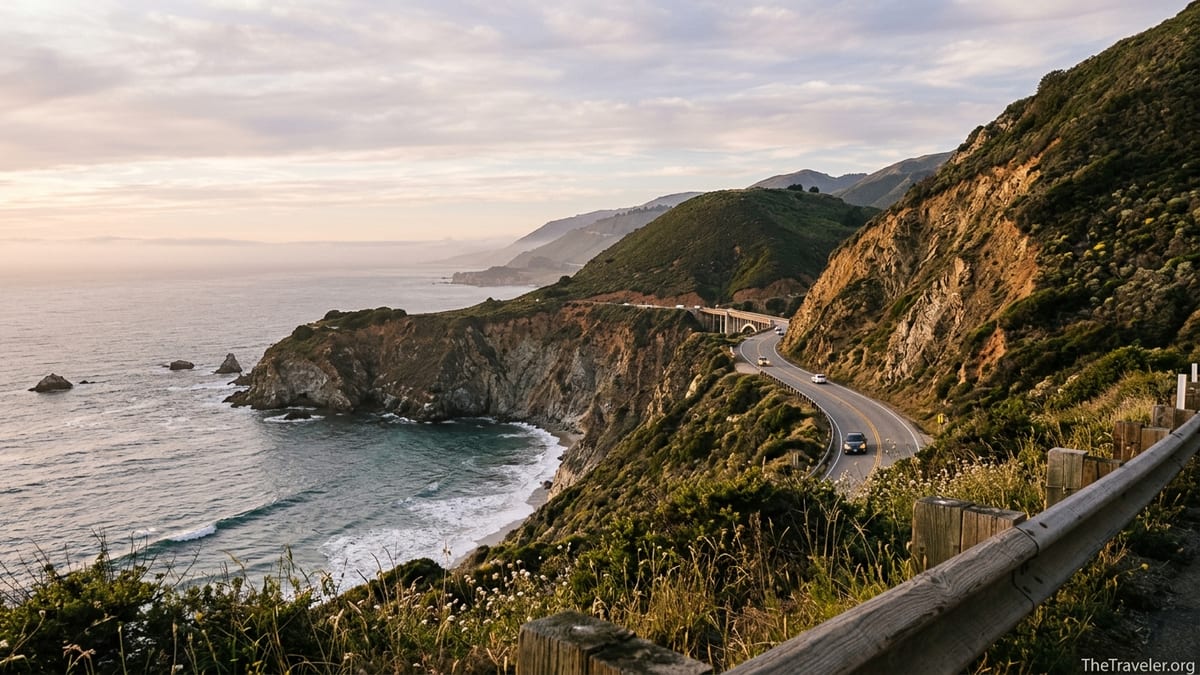
California’s Pacific Coast is one of the state’s signature routes, and there are more package styles here than almost anywhere else. Some travelers opt for escorted day trips from San Francisco that follow the Pacific Coast Highway to Monterey and back, often including the 17 Mile Drive and free time on Cannery Row. Operators such as Extranomical and other Bay Area companies advertise small-group day tours along coastal Highway 1, with hotel pick-ups in San Francisco and a return the same evening. These are popular add-ons for city stays, and prices typically range from around 120 to 200 dollars per person depending on group size and inclusions.
For a deeper coastal experience, several companies now offer overnight or multi-day packages that focus on Monterey, Carmel and Big Sur. California Pacific Excursions and similar outfits based in the central coast operate two day itineraries that include transportation from San Francisco, San Jose or Monterey, a night in Monterey or Carmel and guided sightseeing along Highway 1 to landmarks such as Bixby Bridge, Pfeiffer Big Sur State Park and coastal redwood groves. Packages often include hotel, guided touring and sometimes a train ticket south toward Los Angeles or back to the Bay Area, creating a bridge between a northern city stay and a southern California visit.
Self-drive coastal packages amplify that model. California Tours markets an eight day San Diego to San Francisco coast road trip including seven nights of accommodation, while other operators sell “Highway 1 Getaway” itineraries that position travelers in towns like Monterey, San Simeon and Santa Barbara. A San Simeon area resort, for instance, might promote a Highway 1 road trip offer that bundles oceanfront lodging with breakfast and suggested excursions to Hearst Castle, elephant seal viewing points and wine tasting in Paso Robles. These packages leave driving to you but remove the stress of constantly searching for hotels and figuring out daily distances.
Escorted coastal coach tours also remain important, especially for older travelers. A nine day “California Coast” itinerary operated by regional motorcoach companies might include San Francisco sightseeing, wine country, two nights in a Santa Barbara beachfront resort, stops in Pismo Beach or San Simeon and a final segment to Los Angeles. Prices for these longer escorted coastal holidays can approach 5,000 to 6,000 dollars per person for single occupancy at a comfortable property level, often with most sightseeing admissions, breakfasts and some dinners included. They are high-touch, low-hassle products that suit travelers who want the ocean views without the hairpin driving.
Private & Custom Trips: Tailored California Without Driving Yourself
Travelers who want more flexibility but do not want to drive themselves increasingly turn to private tours and custom itineraries. On the coast, local operators in Monterey and Carmel offer full-day or multi-day private van tours down Highway 1 that include a driver-guide, hotel pickups and stops at viewpoints and short trails. A private coastal “Highway 1 Cruise” from the Monterey area, for example, might take a couple or small family to Pebble Beach, Carmel, Bixby Bridge and Big Sur redwood groves in a single day. Pricing for private days varies dramatically with group size and season, but families can expect to pay several hundred to more than a thousand dollars per day for exclusive use of a vehicle and guide.
In the national parks, custom trip designers will arrange private guiding in Yosemite Valley, Sequoia or Joshua Tree, often combined with prebooked park or gateway lodging and private transportation between parks. This might mean a driver-guide handling the mountain passes and parking while you focus on photography or hiking. Small-group adventure brands such as Intrepid or G Adventures also sell scheduled departures with fewer travelers and more active inclusions like hiking or cycling. A short four day “Highway 1 and San Francisco” itinerary, for example, links Los Angeles and San Francisco with stops in coastal towns and emphasizes local eateries and small inns over large chain hotels.
The big advantage of private and custom trips is control. You can choose your pacing, prioritize specific experiences such as wine tasting in Paso Robles, surfing lessons in Santa Cruz or extra time among the giant sequoias, and adjust for mobility needs. Private itineraries are especially attractive for multi-generational families who want to travel together but have different activity levels. Because you are not sharing costs with a busload of other travelers, however, per-person prices are usually higher than on large escorted tours, especially for small parties.
Private trip planning is most worth the expense when you have a complex wish list that mixes parks, cities and coast, or when your vacation time is short and you want to avoid trial-and-error. It can also make sense for trips that must run on very specific dates, such as honeymoons or milestone celebrations, where securing the right lodge or ocean-view room is more important than shaving cost. On the other hand, if you are flexible and comfortable using online maps and booking platforms, you can often replicate much of what a custom planner would build, particularly for straightforward routes between major cities.
Self-Drive Vacations: When to Package and When to DIY
Self-drive remains the classic way many visitors experience California. Renting a car in Los Angeles or San Francisco and following your own version of Highway 1, looping through Yosemite and Sequoia or exploring wine country gives you maximum flexibility and often the best value, particularly for two or more travelers. A fully independent road trip means you handle flights, rental car, lodging and activities directly, picking from chain hotels, boutique inns, vacation rentals and national park lodges.
Self-drive vacation packages attempt to take the edge off the planning while preserving flexibility. The earlier example of an eight day coast road trip with seven nights of accommodation but rental car booked independently is one model. Another is an eight day or longer package that includes hotel nights in San Francisco, Monterey, San Simeon, Santa Barbara and Los Angeles, plus some sightseeing like a San Francisco city tour or Hearst Castle admission, but leaves most meals unstructured. Per-person pricing for these bundles in shoulder season sometimes competes closely with independent booking, especially when the tour operator secures contract rates at high-demand coastal properties.
Choosing between a packaged self-drive and a completely independent road trip comes down to how much you value support and pre-arranged logistics. Packages can be worth it if they include hard-to-get elements such as peak-season rooms in Yosemite Valley or highly rated beachfront hotels along busy stretches of the coast, or if they come with 24 hour on-trip assistance in case of weather or road closures. This has become more relevant in recent years as landslides periodically close sections of Big Sur’s Highway 1 and wildfire seasons remain unpredictable, occasionally forcing last-minute reroutes.
Travelers comfortable with uncertainty and flexible with dates may do better on their own. By watching hotel and rental car prices, considering nearby airport alternatives such as Oakland or San Jose and mixing upscale and budget nights, it is often possible to keep costs noticeably below packaged products. Independent travelers also have more freedom to detour inland to lesser-known spots like Pinnacles National Park, the Eastern Sierra near Bishop or mountain towns along Highway 395 that many standard packages skip.
Comparing Inclusions: Accommodation, Transport and Added Value
When comparing California vacation packages, it is important to look beyond the headline price and scrutinize what is included. Accommodation level ranges from basic motels and limited service chain hotels to historic park lodges and full-service beachfront resorts. A mid-priced escorted tour might use reliable but unspectacular brands near the freeway on the outskirts of cities, while a premium coastal package could feature oceanfront rooms in Santa Barbara or boutique inns in Carmel or Paso Robles. Always check whether your tour overnights in the heart of a destination, such as inside Yosemite Valley or directly on the beach, or requires shuttles from an outlying town.
Transportation is another key differentiator. Escorted tours typically include all ground transport during the itinerary, with luggage handled for you between hotels. National park packages may bundle shuttle transfers to trailheads, while coastal coach tours include scenic driving along Highway 1 with planned photo stops. Self-drive packages and independent trips shift the costs and responsibilities of driving, parking and fuel to you. In practical terms, this affects not just budget but your experience of twisty mountain and cliffside roads, which some travelers love and others find stressful.
Inclusions such as park entrance fees, guided walks, wine tastings, city tours and attraction admissions can significantly change the value proposition. For example, a coastal itinerary that includes 17 Mile Drive tolls, Hearst Castle tickets and a San Francisco Bay cruise may represent better value than one that simply moves you between cities without included activities. On the other hand, all-inclusive packages sometimes bundle group meals in hotel banquet rooms, which may not appeal to food-focused travelers who would rather explore local restaurants in San Diego, Los Angeles, Monterey or Santa Barbara.
When a package looks appealing, compare the total cost of replicating it on your own using sample dates. Price out a rental car, estimated fuel, comparable hotels in similar locations, park fees and a selection of similar activities. If the package is within roughly 10 to 15 percent of the independent cost, the convenience and support may be worth it, especially in complex regions like the national parks. If the markup is much higher and inclusions are thin, you may be paying mainly for branding and could be better off designing your own route.
When a California Package Is Worth Booking
California is one of the few destinations where both package and independent travel can work equally well. A package becomes most worth booking when timing, scarcity and complexity work against do-it-yourself planning. Examples include peak summer or holiday travel to Yosemite and Sequoia, when accommodation in and near the parks sells out months in advance, or coastal trips during popular events and school vacations when rates in Santa Barbara, Monterey and San Diego spike sharply. In these cases, coach tours and contracted room blocks can secure availability that individual travelers cannot easily find at a reasonable rate.
Packages are also attractive for travelers who are uneasy about driving on narrow, winding roads such as those in Big Sur or the Sierra Nevada, or who prefer not to navigate in large cities. An escorted coastal tour from San Francisco to Los Angeles, for instance, removes the need to manage parking and traffic while still delivering the ocean views, while a park-focused itinerary with a professional driver reduces the risks associated with mountain weather, limited fuel stops and remote desert roads.
In addition, group and family dynamics often influence the decision. Multi-generational groups where some members have limited mobility or very different interests may benefit from the structure of a package that guarantees basic sightseeing and meals, while allowing free time for others to explore more ambitiously. Private custom trips sit between escorted tours and full independence, letting families enjoy dedicated guiding and tailored pacing without the impersonality of a large coach.
If your priority is absolute flexibility, slow travel in one or two regions, or chasing specific conditions such as spring waterfalls, fall color or shoulder-season discounts, then self-drive is usually more rewarding. In that case, you might still use local day tours, such as private Big Sur excursions from Monterey or guided hikes in Yosemite, as modular “micro-packages” within a broader independent itinerary. Mixing these approaches can deliver both value and depth without fully committing to a single travel style.
The Takeaway
California vacation packages now range from classic escorted coach tours to nimble private itineraries and flexible self-drive bundles, each serving a different kind of traveler. Escorted tours work best for visitors who value simplicity and want to see a wide cross section of national parks, big cities and coastal scenery in a single trip, while accepting fixed schedules and group pacing. National park packages help secure scarce lodging and manage logistics in places like Yosemite, Sequoia, Kings Canyon and Death Valley, where driving conditions and reservations can be challenging for first-time visitors.
Coastal and Highway 1 tours, both escorted and self-drive, remain the most romantic and iconic way to see California, especially when you build in time for Monterey, Carmel, Big Sur, San Luis Obispo and Santa Barbara. Private and custom trips offer tailored experiences and are especially effective for special occasions or complex wish lists, albeit at a higher price point. Fully independent self-drive journeys continue to offer the best blend of flexibility and value for confident planners who are comfortable with changing conditions and occasional last-minute adjustments.
Before booking any package, take time to map your ideal route, list your must-see parks and cities, and sketch a rough budget using sample hotel and rental car prices. Then compare those figures with actual tour and package offers. In many cases, a well-priced California vacation package that includes high-demand lodging and key experiences will justify its premium. In others, you may find that a carefully planned self-drive with a handful of targeted day tours gives you more freedom and better use of your travel budget.
FAQ
Q1. Are escorted California tours more expensive than planning everything myself?
In pure dollar terms, escorted tours can cost more than a do-it-yourself road trip, but they often include park fees, some meals, city tours and contracted hotel rates. When you factor in that you are not paying for a rental car, fuel and parking, the price gap narrows. For many travelers, the added structure, luggage handling and professional guiding justify the premium over independent travel.
Q2. When is a national park package for Yosemite and Sequoia worth the money?
Park packages are most worth it if you are traveling in peak summer, during major holidays or on fixed dates when lodging inside or near the parks is tight. In those situations, tour operators can use their pre-booked room blocks to secure accommodations that would otherwise be difficult or expensive for individuals to obtain, while also bundling park entrance fees and sometimes permits or local guiding.
Q3. Is it safe to drive Highway 1 and Big Sur on a self-drive vacation?
For most drivers with some highway experience, Highway 1 is safe, but it includes narrow lanes, sharp curves and occasional fog or rain. Landslides and construction can also close sections, especially around Big Sur, leading to detours. If you are uncomfortable with cliffside roads or long driving days, consider a coastal coach tour or a private day trip that lets a professional driver handle those stretches instead.
Q4. How far in advance should I book California vacation packages?
For peak summer or popular spring and fall dates, many escorted tours and park-focused packages start to fill six to nine months in advance. Coastal self-drive packages and private itineraries that rely on small inns or beachfront hotels also benefit from early booking. Shoulder-season trips in late April, May, September or October usually allow more flexibility, but you should still secure key park and coastal stays a few months ahead.
Q5. Are meals usually included on California tours and packages?
Most midrange escorted tours include daily breakfast and a selection of welcome or farewell dinners, but leave many evening meals and lunches at your own expense. Self-drive and coastal hotel packages often include breakfast only. Fully inclusive arrangements are more common at the luxury end or on themed trips, so always read the day-by-day inclusions to understand how many meals you will need to budget for separately.
Q6. Can I customize an escorted California tour?
Large coach tours generally run on fixed itineraries that cannot be customized for individual guests, although you can often add pre- or post-tour hotel nights in gateway cities like San Francisco, Los Angeles or Las Vegas. If you want significant customization of the route, hotel style or activity level, look instead at private itineraries or small-group adventure trips, which are more flexible by design.
Q7. Do I need a car if I book a California coast package?
It depends on the package type. Escorted coastal coach tours and some private van itineraries include all transportation, so you do not need a rental car during the tour itself. Self-drive coast packages, however, assume you will rent a car and follow the suggested route. If you prefer not to drive at all, focus on coach-based or private driver products and consider using trains or short flights to connect major cities before and after.
Q8. How do California vacation packages handle park entrance fees?
Escorted and many national park packages typically include park entrance fees in the tour price, with the operator or guide handling payment at the gates. Self-drive packages vary: some include a bundled pass, while others expect you to purchase your own at the first park you enter. If fees are not included, you may find it worthwhile to buy an annual pass if you plan to visit several parks on the same trip.
Q9. What is the best time of year for a California coastal tour?
Late spring and early fall are often ideal for coastal itineraries, offering mild temperatures and generally clearer skies than winter, with fewer crowds than peak summer. Summer brings long days and lively beach towns but also higher prices and more traffic along Highway 1 and 101. Winter can be atmospheric but may coincide with storms and occasional highway closures, so check road conditions carefully and build flexibility into your plans.
Q10. Can I mix packaged elements with independent travel on one trip?
Yes. Many travelers book a short escorted national park or coastal segment within a longer self-drive itinerary. For example, you might plan your own time in San Diego and Los Angeles, then join a four day small-group Highway 1 tour to San Francisco, or independently drive north before joining a weeklong escorted circuit of Yosemite, Sequoia and Death Valley. Treat packages as building blocks that can slot into a wider California journey.