


California is a year‑round destination, but the experience you have in San Diego, Yosemite, Napa Valley or Palm Springs can feel completely different depending on the month you visit. If you are trying to balance pleasant weather, good value on hotels and lower crowds at the state’s busiest spots, timing matters as much as your itinerary. This guide walks through California month by month, comparing Southern California beaches, San Francisco, Yosemite, Lake Tahoe, the deserts, wine country and the redwoods so you can pick the right season for your style and budget.
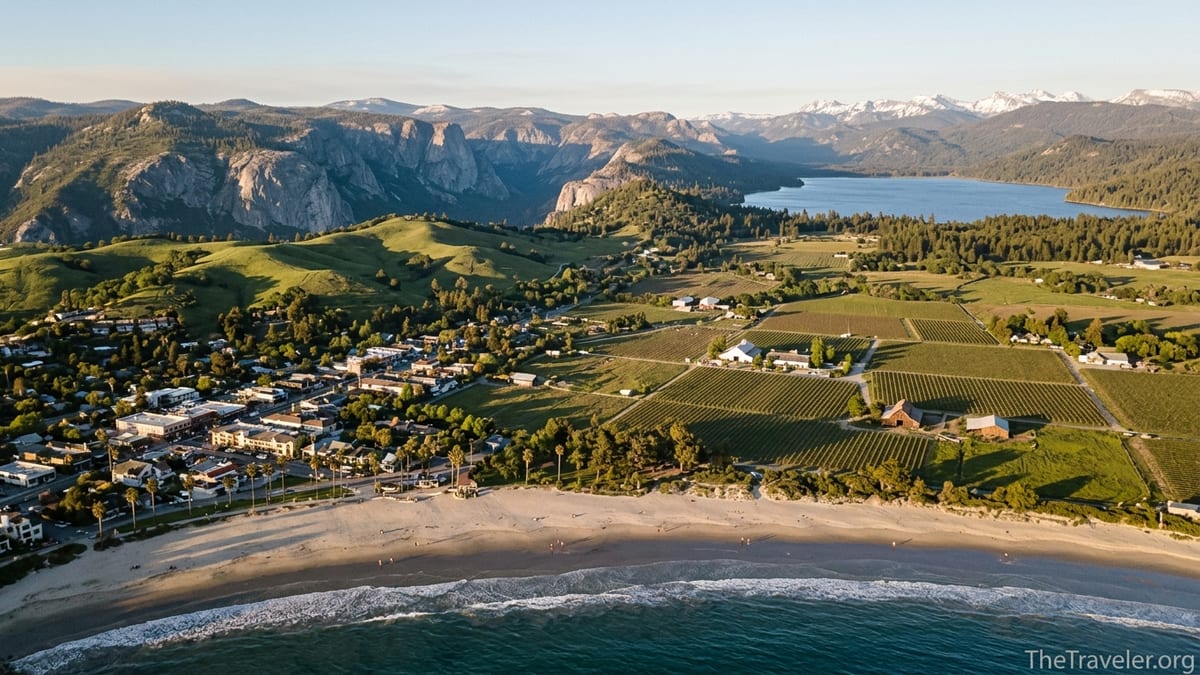
How California’s Seasons Really Work
California does not follow the classic four-season pattern that many visitors expect. Along the Southern California coast, places like San Diego and Santa Monica are mild and beach‑friendly most of the year, though June can be gray and overcast. San Francisco has its warmest, clearest days in September and October, while summer afternoons can be windy and cool. In the Sierra Nevada, including Yosemite and Lake Tahoe, winter snow lingers into late spring and some high mountain roads may not open until June in heavier snow years.
Crowd patterns are just as important as temperatures. Yosemite National Park typically sees about three quarters of its visitors between May and October, with peak visitation in July and August, when more than half a million people may enter in a single summer month. That means popular valley viewpoints and parking lots can reach capacity by mid‑morning on weekends, especially around holiday periods. By contrast, November through March are dramatically quieter, with roughly one third the monthly visitors of peak summer.
Hotel and rental car prices track these shifts. A standard ocean‑view room at a mid‑range San Diego beach hotel that runs 450 to 550 dollars including taxes in mid July can drop closer to 250 to 300 dollars on many midweek dates in November. In Yosemite and around gateway towns like Mariposa and Oakhurst, summer lodge rates and vacation rentals are often fully booked months in advance, while winter visitors can sometimes find last‑minute rooms at Yosemite Valley properties that would be sold out all summer.
For many travelers, the sweet spot is the shoulder season: April to early June and mid September to October. In those windows you are most likely to find comfortable temperatures, more manageable crowds and better value, while still enjoying seasonal highlights such as waterfalls in Yosemite, vineyard harvest in Napa or warm lake days at Tahoe.
January to March: Quiet Parks, Wild Surf and Urban Escapes
January through March are the quietest months in much of California, and a smart choice if your priority is lower prices and fewer people rather than swimming or high‑country hiking. On the Southern California coast, daytime highs in San Diego and Orange County typically sit in the mid 60s Fahrenheit, with water temperatures around the upper 50s. Locals will be in wetsuits, but you can still enjoy long walks at La Jolla Shores, Manhattan Beach or Laguna Beach with mostly empty sand on weekday mornings.
In San Francisco and the Bay Area, winter is the rainy season, but storms tend to come in waves with clear days in between. Highs usually hover in the upper 50s to low 60s. This is a good time to focus on city experiences: museum visits in Golden Gate Park, Chinatown food tours and ferry rides to Sausalito when the skies clear. Hotel demand drops significantly after New Year’s, so you may see central hotels that cost 350 dollars in September available closer to 200 dollars on a February weekday.
Yosemite and Lake Tahoe are firmly in winter mode. The Yosemite Valley floor is open year round, but many high‑elevation roads and trailheads are snowbound. Visitors come for snowshoeing to places like Badger Pass and to see the valley walls dusted in snow, not to access alpine hikes. Around Lake Tahoe, January and February are prime ski months, and that means weekend crowds and peak prices in resort towns like South Lake Tahoe and Truckee. If you want to experience Tahoe with slightly lower lodging costs, target midweek stays in March, when snow is often still good but demand starts to ease.
Down in the deserts, winter is a highlight. Palm Springs, Palm Desert and Joshua Tree see daytime highs in the 60s and low 70s, ideal for hiking at Joshua Tree National Park or lounging by a pool at one of the area’s resorts. Death Valley, one of the hottest places in North America, is also most comfortable from January through March. You can hike around Badwater Basin or Zabriskie Point in a light jacket instead of braving dangerous summer heat. Lodging inside the park and at Furnace Creek is limited, so booking a few months ahead is still advisable even in this “off” season for much of the state.
April and May: Shoulder‑Season Sweet Spot for Yosemite and Wine Country
April and May are among the best overall months for a wide‑ranging California trip. Along Southern California beaches, days warm into the upper 60s and low 70s, and the so‑called “June gloom” marine layer usually has not settled in yet. You are more likely to have clear afternoons at beaches like Coronado and Huntington, and ocean temperatures start to climb toward the low 60s, still cool but more manageable for short dips. Crowds are noticeably lighter than the school‑holiday crush of June and July, and you will often find better midweek rates at larger beachfront resorts.
Yosemite is spectacular in late spring. Snowmelt feeds Yosemite Falls, Bridalveil Fall and Vernal Fall, so April through early June is typically waterfall season. While some high‑country routes like Tioga Road can remain closed into June in heavy snow years, the valley’s main attractions are accessible, and you get longer daylight hours for hikes such as the Mist Trail or Valley Loop. Visitor numbers do start climbing in May, but are still lower than the July and August peak, and you will typically have an easier time securing a campsite or a room at lodges outside the park if you book at least a few months in advance.
California’s wine regions also come back to life in April and May. In Napa Valley and Sonoma, vineyards are lush with new growth and mustard flowers may still be blooming between the rows. Daytime temperatures often sit in the 70s, perfect for outdoor tasting patios at wineries near Yountville, Healdsburg and Paso Robles. Weekends will see steady crowds, especially at well‑known estates, but midweek tastings are quieter and many smaller producers accept walk‑ins or same‑day reservations. Lodging prices are usually lower than during the autumn harvest season, and you may see weekday mid‑range rooms in Napa that cost 600 dollars in October available in the 350 to 400 dollar range.
Lake Tahoe is in transition in April and May. Lower‑elevation trails around the lake edges may start to melt out in late April in lighter snow years, but higher trails like Mount Tallac often hold snow well into May. If your goal is open hiking and swimming, it is better to plan for late June or beyond. For shoulder‑season value, however, spring can be appealing. Many ski resorts offer discounted late‑season lift tickets in early April, and lakeside hotels that cater to summer crowds often have relatively low rates during this in‑between period.
June to August: Peak Beach Weather and Peak Crowds
Summer is when California’s coastal and mountain destinations are at their most reliably warm and accessible, and also at their busiest and most expensive. Along the Southern California coast, July and August bring classic beach weather to San Diego, Orange County and Los Angeles. Daytime highs are often in the mid 70s to low 80s, water temperatures rise into the upper 60s, and you get long evenings for boardwalks and outdoor dining. This is prime time for Mission Beach roller coasters, Dana Point whale‑watching trips and sunset drinks at Santa Monica’s rooftop bars.
The trade‑off is crowds and prices. School holidays mean family demand surges, and hotels in areas like La Jolla, Newport Beach and Santa Monica can sell out weeks or months in advance. Expect higher nightly rates, especially for properties walking distance to the sand. Even budget properties several miles inland often raise rates; a motel that might cost 160 dollars per night in March may be closer to 260 dollars on a July weekend. If you must travel in midsummer, consider targeting Sunday to Thursday stays, when rates and crowds are slightly lower than Friday and Saturday nights.
Yosemite and Lake Tahoe are fully open in June, July and August, with mountain passes and high‑elevation trailheads typically accessible. This is the moment for multi‑day backpacking trips in Yosemite’s high country or ridge hikes around Tahoe with snow‑free trails and wildflower displays. Lake Tahoe’s beaches, from Sand Harbor on the Nevada side to Pope Beach near South Lake Tahoe, are busiest in July and early August, when lake water temperatures inch into the 60s. Boat rentals, kayak tours and lakefront lodging all price accordingly; it is common for lakefront hotels that charge 200 dollars in October to ask 400 dollars or more per night in July.
Summer is, however, not ideal for every region. In the deserts, Palm Springs, Joshua Tree and Death Valley become extremely hot. Daytime highs regularly climb well above 100 degrees in Palm Springs and can surpass 115 in Death Valley, making mid‑day hiking unsafe. Some hotels in desert cities offer attractive summer promotions, such as two free nights when you book two paid nights, but you will need to plan your activities in the early morning and evening and spend the hottest hours at the pool or indoors. For most travelers focused on outdoor exploration rather than resort time, it is better to save desert destinations for cooler months.
September and October: Harvest Season, Warm Water and Fewer Families
September and October are arguably the best all‑around months to visit California if you want a mix of beach time, wine tasting, hiking and city exploration with fewer school‑holiday crowds. On the Southern California coast, ocean temperatures are at or near their warmest of the year, often in the upper 60s, while air temperatures stay in the 70s. Many local families are back to school routines, so you may find noticeably more space on beaches at Carlsbad, San Clemente and Malibu, especially midweek. Coastal hotels often keep near‑summer pricing for major weekends like Labor Day, but you can begin to find better values later in September and through October.
San Francisco typically enjoys its clearest and warmest weather in September and early October. You are more likely to get still, sunny days for walking the Embarcadero, crossing the Golden Gate Bridge on foot or cycling along Crissy Field with clear bridge views. Outdoor events and festivals are common in this period, and that can push up hotel demand on certain weekends. Checking the local events calendar before booking can help you avoid dates when big conventions or festivals compress availability and raise city center prices.
Wine country is in full harvest mode. In Napa, Sonoma and Paso Robles, grapes are being picked, crush pads are busy and the air can carry the smell of fermenting wine. Many wineries host special harvest tastings, vineyard dinners and crush‑pad tours. This is a magical time to visit, but demand is high. Weekend tasting appointments at well‑known estates often book out, and hotel rates can meet or exceed summer pricing. To keep costs more manageable, consider basing yourself in slightly more affordable towns such as Sonoma, Santa Rosa or Paso Robles rather than central Napa or St. Helena, and plan midweek tastings when possible.
In the mountains, early fall can be idyllic. At Lake Tahoe, September days are typically warm and dry, with cool nights and thinning summer crowds. Hiking trails are open and often quieter, and lake water has stored summer heat, so swimming and paddleboarding remain pleasant. Yosemite in September and October offers cool but comfortable hiking temperatures, with many high‑country trails still accessible until the first significant storms. Waterfalls are much lower than in spring, but fall foliage in Yosemite Valley and near the Merced River adds a different kind of scenic interest. Lodging availability improves compared with midsummer, and you have a better chance of booking popular in‑park accommodations if you plan a few months ahead rather than many months.
November and December: Storm Watching, Cozy Retreats and Budget Value
Late fall and early winter mark a shift to quieter, moodier experiences across much of California. Along the North Coast and in the redwood regions, November and December bring misty mornings and occasional heavy rain, but the giant trees of Redwood National and State Parks, Humboldt Redwoods and Muir Woods take on a dramatic, almost otherworldly feel in the damp air. Crowds are much thinner than in summertime, and you may have popular groves largely to yourself on weekdays. Lodging in gateway towns like Crescent City, Eureka and Santa Rosa often drops to some of the lowest prices of the year outside of major holiday periods.
Southern California beaches remain usable, though cooler. You are unlikely to swim for long without a wetsuit, but sunny days with highs in the mid 60s still allow for beach walks and outdoor dining. This can be an excellent time for travelers who care more about coastal scenery than swimming. Hotels that were full in July may have empty rooms in November, and rates in places like Oceanside or Redondo Beach can fall significantly. Black Friday and early December can see particularly aggressive promotions as properties try to fill rooms between the Thanksgiving and Christmas holidays.
For Yosemite and Lake Tahoe, November and December are shoulder‑to‑winter months. Early November can still offer decent hiking at lower elevations, but storms can bring snow and close higher roads with little notice. By December, ski resorts around Tahoe are usually open, but terrain may be limited if snowfall has been light. In Yosemite, visitors come for the possibility of snow‑covered cliffs and quiet valley trails. Lodging availability inside the park is generally better than in summer, though the Christmas and New Year’s period can still sell out well in advance.
Desert destinations return to their comfortable season. Palm Springs and Palm Desert host events and festivals, and resort pools are lively again. Joshua Tree’s cooler temperatures allow for all‑day hiking and climbing. Death Valley temperatures drop from summer extremes, making walks at Badwater Basin and Golden Canyon comfortable in the morning and late afternoon. Room rates in desert towns can be higher from late fall through early spring because this is high season, but you will get more usable outdoor hours, and you can often find value in older motels or vacation rentals a little away from the most fashionable resorts.
Regional Comparisons: Beaches, Yosemite, Tahoe, Deserts, Wine & Redwoods
When you compare California’s major regions side by side, clear seasonal patterns emerge. Southern California beaches are at their best for classic swim and sun trips from late June through early October, with the warmest water and liveliest scene in July, August and September. If you care more about lower crowds and prices than swimming, March through early June and October through November typically offer mild weather with thinner crowds, especially on weekdays. Winter brings cooler water and some rain, but many coastal walks and viewpoints stay enjoyable.
Yosemite is a spring and fall standout. Late April through early June delivers peak waterfalls and access to valley hikes, at the cost of rising but not yet extreme crowds. July and August give you the broadest access to high‑country trails, but require planning around full parking lots and busier shuttle routes. September and October trade roaring falls for crisp air, fall color and lighter crowds. Winter, from November through March, is best if you want to see the valley in snow and enjoy quiet trails, but high‑altitude routes and famous passes usually remain closed.
Lake Tahoe offers two clear seasons: summer lake life and winter snow sports. For swimming, boating and long, dry hiking days with reasonable crowds, September is often the best compromise month, followed by late June and early July. Winter ski season from December through March brings its own crowd peaks, particularly on weekends and holidays, and can be expensive. Travelers primarily interested in scenic drives and shorter outings might enjoy late October or early November, but need to be flexible about early storms and possible temporary road closures on mountain passes.
Desert destinations and wine country reverse the pattern of beaches and mountains. Palm Springs, Joshua Tree and Death Valley are most comfortable from November through March and shoulder seasons in April and October. Summer heat limits outdoor activity but can mean good resort deals for visitors who plan to spend days by the pool. Napa, Sonoma and other wine regions are appealing from April through June for vineyard greenery and moderate prices, and in September and October for harvest energy and events, albeit with higher rates and busier roads. Redwood areas, including parks along the North Coast, are at their lushest and least crowded in late fall and winter, while summer brings drier trails and slightly larger crowds but cooler, foggier conditions than inland.
The Takeaway
The best time to visit California depends less on the calendar and more on what you want from the trip. If beaches and warm water are your priority, late summer and early fall along the Southern California coast are hard to beat, provided you are willing to navigate higher prices and busier boardwalks. For Yosemite and the Sierra Nevada, focus on late spring for waterfalls and early fall for hiking in crisp, clear air with somewhat fewer people. If your dream is desert hikes and pool time in Palm Springs or stargazing in Death Valley, plan for the cooler months from November through March.
Travelers seeking lower crowds and better value should look closely at the shoulder seasons in April through early June and again in September and October. In these windows, you can often visit multiple regions in a single trip, pairing a few days in San Diego or Los Angeles with time in Yosemite, Tahoe, Napa or the redwoods without suffering through either winter storms or peak summer crush. By matching your itinerary to California’s regional microclimates, you can fine‑tune your journey to hit that sweet spot of good weather, memorable seasonal experiences and more relaxed, less crowded days.
FAQ
Q1. What is the single best month to visit California for a mix of beaches and national parks?
Many travelers find September the best compromise month, with warm ocean water in Southern California, usually clear weather in San Francisco, pleasant hiking in Yosemite and Lake Tahoe, and fewer school‑holiday crowds than midsummer.
Q2. When can I see Yosemite’s waterfalls at their strongest without peak summer crowds?
Late April through late May is typically the sweet spot for Yosemite waterfalls, before the highest visitation of July and August. You will need to accept cooler mornings and the possibility that some high‑elevation roads remain closed in heavier snow years.
Q3. What is the best time to visit Southern California beaches if I want lower hotel prices?
For lower prices and manageable weather, consider March to early June and October to November. Weekdays in these shoulder months often bring significantly lower rates than July and August, even in popular areas like San Diego and Orange County.
Q4. When is Lake Tahoe best for swimming and hiking but not too crowded?
Early to mid September often offers warm days, swimmable lake temperatures and open trails with fewer families on vacation. Late June and early July can also work in lighter snow years, though crowd levels are generally higher than in September.
Q5. What is the safest time of year for outdoor activities in Death Valley and other California deserts?
The safest and most comfortable period for hiking and sightseeing in Death Valley, Joshua Tree and the Coachella Valley is generally from November through March, when daytime highs are far lower than the extreme heat of summer.
Q6. When should I visit Napa or Sonoma for harvest season?
Harvest in Napa and Sonoma usually runs from late August through October, with the busiest period in September and early October. That is when you will find grape picking, crush‑pad activity and many special events, along with higher prices and busier tasting rooms.
Q7. Are winter visits to Yosemite and Lake Tahoe worth it if I am not a skier?
Yes, if you enjoy snowy scenery, quieter trails and cozy lodges. In Yosemite, winter brings peaceful valley walks and opportunities for snowshoeing. Around Tahoe you can enjoy lake views, short walks and firelit evenings even if you skip the ski slopes.
Q8. When is “June gloom” an issue on the Southern California coast?
Low coastal clouds often develop from late May through June and can linger into the mornings in places like Santa Monica and La Jolla. Afternoons usually clear, but if you want the clearest beach days, consider July through October instead.
Q9. What is the best season to see California’s redwoods with fewer crowds?
Late fall and winter, from November through February, typically bring fewer visitors to redwood parks, especially midweek. You may encounter rain and cool temperatures, but the forests are lush and quiet, and popular groves are less busy than in summer.
Q10. How far in advance should I book lodging for peak summer in Yosemite and at Lake Tahoe?
For July and August stays in or near Yosemite and Lake Tahoe, aim to book lodging several months in advance. In‑park accommodations in Yosemite and lakefront hotels at Tahoe often sell out early, especially for holiday periods and weekends.