


Few cities are as perfectly positioned for day trips as San Francisco. In under two hours you can stand beneath ancient redwoods, sip cabernet in Napa, walk wild coastal trails in Point Reyes or watch the fog roll across the Pacific in Half Moon Bay. This guide compares the region’s most popular excursions in real-world terms: travel time, tour availability, whether you really need a car, and which types of travelers each destination suits best.
Muir Woods: Classic Redwoods Within Easy Reach
Muir Woods National Monument is the archetypal Bay Area day trip for visitors who want to see towering coastal redwoods without committing to a multi-day national park adventure. The grove sits roughly 16 miles north of San Francisco across the Golden Gate Bridge, and driving time is usually around 45 minutes to an hour each way depending on traffic. It feels surprisingly remote once you arrive, with quiet boardwalks threading through trees that can rise more than 200 feet overhead.
You do not need to hike to enjoy Muir Woods, which makes it an excellent choice for families, multi-generational groups and anyone with limited mobility. The main loop along Redwood Creek is flat, well maintained and can be walked in under an hour, with side trails offering steeper climbs for those who want a workout and viewpoints over the forested canyon. Expect cool air and filtered light even on bright days, so bring an extra layer.
Logistics matter here. Parking reservations are mandatory if you drive yourself, and spaces on peak summer weekends often sell out days in advance. Many visitors instead book the official Muir Woods shuttle, which currently runs on weekends and some holidays from the Larkspur Ferry terminal in Marin, with round-trip fares around a few dollars per adult and timed ticketing to prevent overcrowding. Several tour companies in San Francisco also offer half-day bus or minivan excursions that include your park entry and timed access, which can be easier than juggling reservations on a short trip.
Muir Woods makes the most sense for first-time visitors to California, travelers without a car and those who like structured half-day outings. A common pattern is a morning redwoods visit followed by an afternoon in Sausalito or a short wine tasting in Sonoma. Serious hikers or photographers looking for emptier trails may prefer to continue on to Mount Tamalpais or Point Reyes, where the landscapes are wilder and the crowds thinner once you leave the parking lots.
Sausalito: Easy, Car‑Free Harbor Escape
Just across the Golden Gate Bridge, Sausalito offers one of the simplest and most flexible day trips from downtown San Francisco, particularly if you want to avoid driving. Golden Gate Ferry operates regular boats between the Ferry Building and Sausalito, with typical crossing times of about 30 minutes and multiple departures daily, especially on weekends and in peak season. There is also service from Fisherman’s Wharf via another operator, which works well for visitors already staying near the northern waterfront.
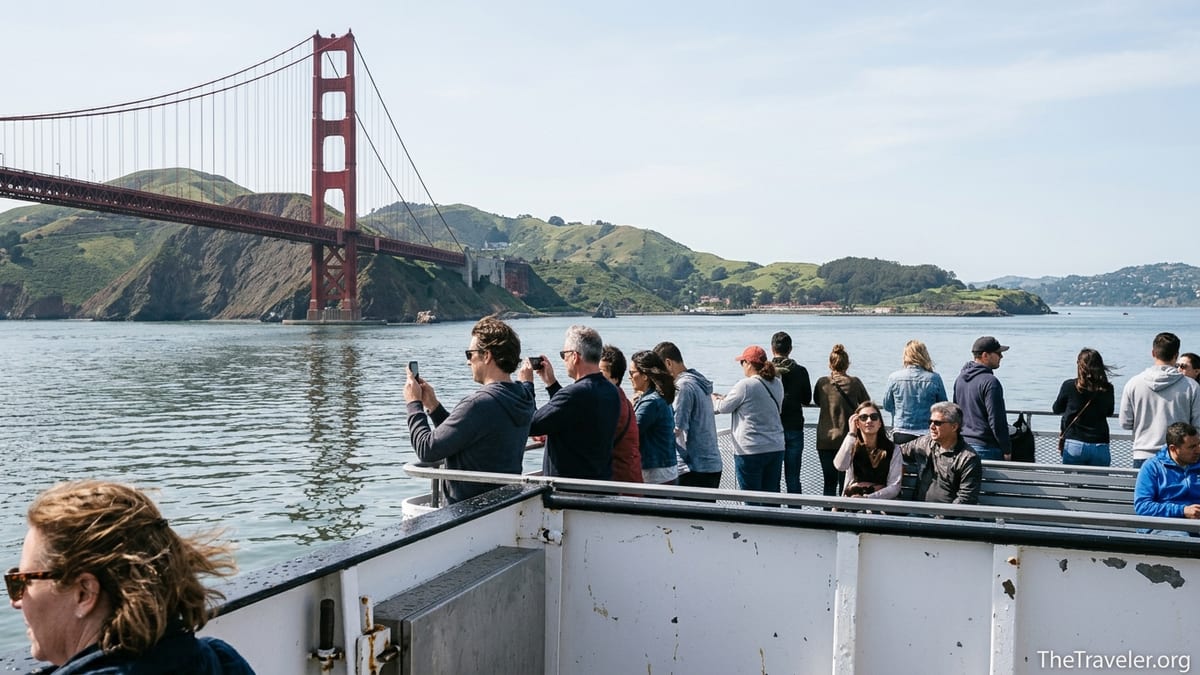
Arriving by ferry is part of the experience. You get skyline views, close passes by Alcatraz and a fresh angle on the bridge as you cross the bay. Once in Sausalito, the compact harborfront is walkable, with seafood restaurants, cafes, galleries and marina views lining the main drag. Many travelers spend three to five hours here, combining a waterside lunch with a stroll through the houseboat neighborhoods or a short walk up the hillside streets for bay panoramas.
Sausalito is particularly appealing for relaxed travelers, food lovers and those who might be nervous about California driving. You can leave from San Francisco mid-morning, have lunch and a drink on the waterfront and be back downtown before dinner without ever getting in a car. For active visitors, bike rental shops in the city offer packages that let you cycle across the Golden Gate Bridge, roll downhill into Sausalito and return on the ferry, a popular full-day outing that is achievable for most fit adults and teens.
Costs here are easy to understand. Round-trip ferry fares are typically in the range of a few tens of dollars per adult, with discounts for children and contactless transit cards. Casual spending can be as low as a coffee and ice cream or stretch to a multi-course seafood meal with bay views. Because Sausalito is so close, it also works well as a half-day companion to Muir Woods, with several tour operators offering combined redwoods and Sausalito itineraries.
Napa Valley & Sonoma: Wine Country for Different Travelers
Napa Valley and neighboring Sonoma are the region’s best-known wine country destinations, but they suit different traveler types and budgets. From downtown San Francisco, driving to the southern end of Napa Valley, around the town of Napa itself, takes roughly 75 to 90 minutes in typical traffic. Reaching Sonoma Plaza is similar, often just over an hour, while getting all the way up-valley to towns like St. Helena or Calistoga can push the outbound leg closer to two hours each way.
For wine-focused visitors who do not want to drive, organized tours are the simplest option. Numerous companies run full-day excursions from San Francisco that visit a mix of Napa and Sonoma wineries, usually lasting eight to nine hours. Prices commonly start around 150 to 190 dollars per person for a small-group coach, including transport and basic tastings at three or four wineries, with premium options and private SUV tours climbing into the several-hundred-dollar range per group. Some tours pair wine tasting with morning stops in Muir Woods or Sausalito to maximize the day.
Driving yourself offers more flexibility but requires a sober driver and careful planning, especially given the distance and the temptation to visit multiple wineries. Tasting fees in both Napa and Sonoma have risen in recent years, and it is common to see standard tastings in the 40 to 70 dollar range per person at well-known estates, with more luxurious seated or paired experiences costing more. Many travelers choose two or three pre-booked tastings plus a relaxed lunch in either downtown Napa, Yountville or Sonoma Plaza rather than trying to squeeze in as many wineries as possible.
Napa typically appeals to travelers who enjoy a polished, almost resort-like experience, with manicured vineyards, high-end restaurants and spa hotels. Sonoma is often better suited to those who want a slightly more laid-back atmosphere, with smaller, family-run wineries and agricultural landscapes that feel a little less formal. Both regions work well for couples, groups of friends and repeat visitors to San Francisco. For families with children or travelers who do not drink alcohol, the long driving times and focus on wine can make these less compelling than closer coastal or redwood trips.
Point Reyes & Marin Coast: Wild Shores and Quiet Trails
Point Reyes National Seashore and the surrounding Marin coastline deliver some of the most rewarding day trips from San Francisco for hikers, photographers and anyone craving wide open space. The main visitor centers and popular trailheads such as Bear Valley are about a 90-minute drive from central San Francisco in light traffic, though weekend congestion on narrow rural roads can add time. A car is practically essential. Public transit to coastal Marin is limited and slow, and most organized tours tend to focus on either brief lighthouse visits or specialty experiences like oyster tastings rather than deep hiking days.
Once there, the park feels far removed from the city. Rolling dairy pastures give way to forested ridges, lagoons and long sand beaches. Typical day-tripper activities include the relatively gentle hike from Bear Valley to the coast, visiting beaches like Limantour or Drakes and, in season, whale watching from the lighthouse area. Weather shifts quickly. A day that starts sunny in San Francisco can turn foggy and windy at the Point Reyes headlands, so bring layered clothing and expect cooler temperatures than in the city.
Point Reyes suits active travelers who are comfortable navigating rural roads and do not mind driving an hour and a half each way for a full day outdoors. It is less convenient for those without a car, parents traveling with very young children or visitors who prefer structured activities over self-guided exploration. That said, some boutique outfitters do run small-group nature tours from San Francisco, typically limited to a dozen guests, that handle driving and offer guided walks and picnic-style lunches.
Nearby, the wider Marin coast offers alternative stops that can be chained into a single loop. Towns like Mill Valley and Stinson Beach work as stand-alone excursions or as coffee and meal breaks on the way to or from the national seashore. Compared with compact Sausalito, these communities feel more local and residential, which appeals to repeat visitors looking beyond the classic postcard views.
Half Moon Bay & the South Coast: Easy Pacific Access
South of San Francisco, Half Moon Bay is one of the most straightforward ways to reach the open Pacific without driving deep into rural counties. The town center is around 30 miles from downtown San Francisco, with typical driving times of 45 to 60 minutes via Highway 1 or Highway 92, though weekend traffic can slow both routes. There is limited bus service along parts of the coast, but in practice a car makes this trip significantly easier and opens up access to multiple beaches.
Visitors often combine a stroll along Main Street with stops at nearby beaches such as Half Moon Bay State Beach, Poplar Beach or more rugged coves to the north and south. On sunny autumn or winter days, the low angle of the light can make for particularly beautiful coastal views. In late winter, some travelers time visits around big wave swells to see, from a safe distance, the world-famous surf break at Mavericks. Popular roadside farm stands along Highway 92 sell pumpkins in fall and local produce for most of the year, adding an agricultural angle to the outing.
Half Moon Bay is well suited to families, couples and locals who want a mostly unstructured day by the sea within an hour of the city. It does not require advance reservations in the way Muir Woods does, and you can keep costs fairly low by packing a picnic, parking at state beaches and limiting restaurant stops. For those who prefer organized experiences, some horseback riding stables and kayak or stand-up paddleboard outfitters operate in the area, offering short guided sessions suitable for beginners.
Compared with Point Reyes, the south coast feels less remote and more like a sequence of small communities strung along the highway. That can be either a positive or a drawback, depending on whether you prioritize amenities or solitude. As with all Bay Area coastal trips, be prepared for marine fog and cool breezes throughout much of the year, especially in summer.
Choosing the Right Bay Area Day Trip for Your Travel Style
When comparing these destinations, three practical questions usually shape the decision: how much total travel time you are willing to accept, whether you want or need to avoid driving and how structured you prefer your day to be. Muir Woods plus Sausalito is an efficient combination, with under two hours of total driving or shuttle time and plenty of tour options that bundle transport and entrance fees. Wine country excursions to Napa or Sonoma take longer and often run nine to ten hours door-to-door but offer a clear theme and straightforward tour choices, particularly for adults traveling without children.
Point Reyes and Half Moon Bay are better choices for visitors who prioritize landscapes and walking over specific attractions or activities. Both require a car for a smooth experience, although Point Reyes in particular rewards those willing to commit to the drive with a sense of immersion that is rare on shorter trips. For travelers on a tight schedule with only one free day, Sausalito on its own or paired with a short visit to Muir Woods is usually the most time-efficient choice, while those with two or more available days can layer in wine country or coastal hikes.
Budget also plays a role. A self-planned Half Moon Bay or Sausalito trip with public ferry and casual meals can cost relatively little beyond transport and food. In contrast, a full-day small-group wine tour from San Francisco plus tasting fees and lunch typically represents a higher per-person spend, even at the lower end of the pricing range. Muir Woods sits in the middle: more affordable if you manage your own transport and reservations, and more expensive but very convenient if you join a guided redwoods tour.
Finally, traveler type matters. Families with young kids often gravitate to Muir Woods, Half Moon Bay or the gentler sections of Point Reyes, where short walks, beach time and easy logistics are priorities. Couples on a romantic getaway may favor Napa, Sonoma or a slower-paced Sausalito afternoon. Solo travelers without a car tend to appreciate destinations with robust tour ecosystems and transit options, such as Muir Woods via shuttle, Sausalito by ferry and wine country through organized excursions.
FAQ
Q1. Do I need a car to visit Muir Woods from San Francisco?
You do not strictly need a car, but having one gives you flexibility. Without a car, you can book a guided tour that includes transport, or take a ferry to Marin and connect with the official Muir Woods shuttle on days it operates. Both options work well for visitors who are uncomfortable driving winding roads or dealing with limited parking.
Q2. Is Sausalito a good day trip if I want to avoid driving entirely?
Yes. Sausalito is one of the easiest car-free excursions from San Francisco. You can reach it by ferry from the Ferry Building or Fisherman’s Wharf, explore the town on foot and return on a later boat. Many travelers also rent bikes in the city, ride across the Golden Gate Bridge and then take the ferry back.
Q3. How long does a typical Napa or Sonoma day trip from San Francisco take?
A standard wine country day trip usually lasts eight to ten hours door-to-door. That includes 75 to 120 minutes of driving each way plus time for two or three winery visits and a leisurely lunch. Organized tours tend to publish clear departure and return times so you can plan evening plans accordingly.
Q4. Are there family-friendly options in Napa and Sonoma for travelers with children?
Yes, although these regions are primarily geared toward adult wine tasting. Some wineries offer outdoor spaces, casual food and non-alcoholic options that make visits more comfortable for families. That said, parents with younger children often find coastal or redwood destinations like Muir Woods, Half Moon Bay or Point Reyes more engaging for kids than a full day of winery stops.
Q5. Which destination is best for hiking near San Francisco?
For a mix of well-maintained trails and dramatic scenery, Point Reyes National Seashore is hard to beat if you have a car and a full day. Muir Woods offers shorter, more structured paths among redwoods, while the Marin and San Mateo coasts provide coastal hikes of varying difficulty. Your ideal choice depends on how far you are willing to drive and whether you prefer forest, cliffs or long beaches.
Q6. How far in advance should I book Muir Woods parking or shuttle tickets?
On busy weekends and during peak travel seasons, it is wise to secure parking or shuttle reservations several days in advance, especially for mid-morning slots. Weekdays and early morning or late afternoon time windows may be easier to obtain on shorter notice, but availability can still fluctuate with holidays and special events.
Q7. Can I visit Muir Woods and wine country in the same day?
It is possible, and several operators offer combined redwoods and wine tours that leave San Francisco in the morning and return in the evening. If you are driving yourself, the key is to limit the number of winery stops, designate a sober driver and accept a longer overall day. Many travelers find it more relaxing to dedicate one day to redwoods and another to wine if their schedule allows.
Q8. Is Half Moon Bay reachable by public transportation?
There are public buses that connect parts of San Mateo County with the coast, but routes and frequencies make them better suited to locals than short-term visitors. For most travelers, renting a car or joining a small coastal tour from San Francisco provides a smoother experience and lets you reach multiple beaches and viewpoints in one day.
Q9. What is the best option for travelers with limited mobility?
Muir Woods and Sausalito are generally the most accessible among these destinations. Muir Woods has a flat boardwalk-style main trail, and Sausalito’s waterfront area is largely level and walkable from the ferry landing. Some Napa and Sonoma wineries also offer accessible facilities, but the distances between stops make planning more involved.
Q10. How many day trips should I plan during a three or four day stay in San Francisco?
Most visitors are happy with one or two full-day excursions combined with time in the city itself. A common pattern is to choose one nature-focused outing, such as Muir Woods or Point Reyes, and one cultural or culinary trip, such as wine country or Sausalito. Adding more than two full-day trips can make a short visit feel rushed.