


Choosing where to stay in California can shape your entire trip more than almost any other decision. Distances are long, traffic is real, and hotel prices can swing from modest to eye watering. The right base can mean walking to the beach at sunset in Santa Monica, slipping into a hot tub after skiing at Lake Tahoe, or beating the crowds to Yosemite Valley before breakfast. This guide compares the best hubs across the state for cities, beaches, national parks, wine country and classic road trips, with practical notes on neighborhood feel, rough price ranges and who each place suits best.
How to Choose the Right California Base
California is larger than many countries, so trying to "see it all" from a single base rarely works. Los Angeles to San Francisco is roughly a six-hour drive without heavy traffic, and San Diego to Yosemite can easily take eight hours or more. Building your trip around two or three strategic hubs usually gives a much better experience than changing hotels every night or commuting long distances to sights.
Think first about your priorities. If you want beaches and theme parks with kids, it makes more sense to stay in coastal Los Angeles or San Diego than in downtown city cores. If you are focused on hiking and photography in Yosemite, you will want at least a couple of nights as close to the park as your budget allows, not in a far-off Central Valley motel just to save money. Wine lovers will get more from a long weekend based in Napa Valley or Sonoma than from a rushed day trip out of San Francisco.
Budget is the next filter. In 2026, midrange hotels in popular California destinations often sit in the 220 to 350 dollar per night range on busy dates, while simple motels in inland towns can still be under 150 dollars. In somewhere like Santa Barbara or central San Francisco, it is not unusual to see well located boutique hotels at 400 dollars or more on summer weekends. Vacation rentals can help families or groups stay in pricey areas by sharing costs, but factor in cleaning fees and minimum-stay rules.
Season and driving conditions also matter. Lake Tahoe lodges that are 200 dollars midweek in May can climb well over 400 dollars around Christmas and New Year. Yosemite lodging inside the park can sell out months ahead for May through September, especially weekends. Along the Pacific Coast Highway, fog can limit views in June, and winter storms occasionally close sections of Highway 1 south of Big Sur, so it is worth checking current conditions before locking in a road-trip route.
Los Angeles: Best for Beaches, Families and First Timers
Greater Los Angeles spreads across dozens of communities, so picking the right neighborhood is more important than the city label on your hotel. For many first-time visitors, Santa Monica is one of the best all-round bases. You can walk to a wide sandy beach, the famous pier and pedestrian shopping streets, while also having easy access to bus or rideshare links toward Hollywood and downtown. In high season, expect standard chain hotels a few blocks from the beach to sit roughly in the 280 to 400 dollar range per night, with upscale oceanfront properties reaching considerably higher.
Families often like Santa Monica or nearby Marina del Rey because they feel safe, walkable and laid-back after a day of sightseeing. From a midrange hotel near Santa Monica Place, it is roughly a 45 minute drive in normal traffic to Universal Studios Hollywood, and about an hour to Disneyland in Anaheim if you leave early in the morning. Many travelers pair three nights in Santa Monica with two nights in Anaheim to reduce daily commuting for theme park days.
If you prefer a more urban energy, Hollywood and West Hollywood work well. A hotel near Hollywood Boulevard puts you close to the Walk of Fame, Chinese Theatre and tour pick up points for studio and city tours. West Hollywood, especially along the Sunset Strip, is better for nightlife and dining, popular with couples and friends on a shorter trip. Here, stylish boutique hotels regularly price in the 300 to 450 dollar range on weekends, though you can still find older motels on side streets for under 250 dollars if you book ahead.
Those on tighter budgets often look to Koreatown, Downtown LA’s edges, or Pasadena, which offer easier parking and more local eateries. A basic but clean hotel in Koreatown can be around 180 to 240 dollars on many nights, and you will have excellent late night dining. Just remember that LA traffic is a constant factor; staying somewhere relatively central to your main plans can save you hours in the car over the course of a week.
San Diego: Laid Back Base for Beaches and Families
San Diego works especially well as a single base trip, since many major attractions are within a 20 to 30 minute drive of each other. For a classic Southern California beach feel, Pacific Beach and Mission Beach are strong choices. Stay at a midrange hotel or beachfront motel a block or two from the sand, and you can walk the boardwalk at sunset and rent bikes in the morning. Prices here can range from about 220 dollars for a simple room in the shoulder seasons to well over 350 dollars in summer for ocean view options.
Families often gravitate to Mission Bay because it offers calmer water, playgrounds and big resort hotels. Several large properties around the bay have pools with slides, rental kayaks and on site restaurants, meaning you can take a day off from driving. From Mission Bay, it is typically 15 to 20 minutes by car to the San Diego Zoo in Balboa Park and around the same to SeaWorld or downtown.
If you like history and food, a boutique hotel in the Gaslamp Quarter or Little Italy gives you walkable access to restaurants and harbor views. Gaslamp can be lively at night, so couples who want nightlife may enjoy it, while light sleepers with children may prefer quieter Harbor Island or Point Loma. Expect central downtown hotels to sit around 230 to 330 dollars per night most of the year, rising on big convention or holiday weekends.
Travelers looking for a more upscale, romantic base often choose La Jolla. This coastal community north of downtown has cove beaches, sea lions on the rocks and cliff-top walks. Hotels and inns here skew more luxurious, often 350 to 500 dollars a night in high season. La Jolla can work particularly well for a couples trip that mixes beach time with day trips to Balboa Park, Old Town and perhaps a winery visit in nearby Temecula, about an hour’s drive inland.
San Francisco & The Bay Area: Urban Culture and Day Trips
San Francisco is compact by California standards, so you can see a lot in a few days without a car if you choose your base wisely. Union Square is the traditional hotel district and offers the widest range of prices, from older budget-friendly hotels under 200 dollars in the off season to well known luxury brands well above 400 dollars. It has easy access to cable cars and BART trains but can feel busy and a little gritty at night.
Many visitors now prefer staying in the Embarcadero or Fisherman’s Wharf areas to be closer to the bay. A midrange hotel near the Ferry Building or Pier 39 usually runs in the 260 to 380 dollar range, but you gain easy walks along the waterfront and straightforward connections to ferries and tram lines. From here, it is simple to reach Alcatraz tours, the Exploratorium and the start of Lombard Street. Families enjoy having casual dining and attractions in one place, even if it is touristy.
Couples and repeat visitors often choose neighborhoods like Nob Hill, Pacific Heights or Hayes Valley for a more local feel. These areas feature smaller boutique hotels and guesthouses in historic buildings, often between 250 and 350 dollars per night, plus cafes and independent shops. Parking is limited and expensive in much of San Francisco, so many travelers park once in a garage or forgo a car entirely and rely on transit and rideshares.
San Francisco also works well as a hub for wider Bay Area day trips. By car, you can cross the Golden Gate Bridge to Sausalito or Muir Woods in under an hour if you avoid rush hour, or reach Berkeley and Oakland in about 30 to 40 minutes. Just remember that bridges have tolls and highway congestion is common at commute times, so building in extra time is wise if you have timed tickets or dinner reservations.
Yosemite: Staying Inside the Park vs Gateway Towns
For most travelers, Yosemite is the one California destination where staying as close as possible pays off dramatically. In peak season, parking in Yosemite Valley fills early, and driving in from the nearest larger towns can add two hours or more each way. Lodging inside the park is managed by a single concessionaire and ranges from historic hotels to simple tent cabins. These options often book out months in advance for dates from late spring through early fall.
Inside Yosemite National Park, the most convenient base for many visitors is Yosemite Valley. Properties like Yosemite Valley Lodge sit near the base of Yosemite Falls and offer hotel-style rooms with on site dining. Prices vary with season, but a standard room here can often run between 300 and 450 dollars per night in spring and summer. Curry Village, also in the valley, has rustic cabins and canvas-sided tent cabins at lower price points, though you share bathhouses in many units and should be prepared for simple facilities rather than hotel comforts.
Outside the park, several gateway communities provide more availability and a wider range of budgets. To the west, Mariposa and El Portal have motels, inns and vacation rentals, with some riverfront lodges offering kitchenettes and hot tubs. Nightly rates here can start around 180 to 220 dollars for basic motels and climb for cabins or resort-style properties. To the south, Oakhurst and Fish Camp serve travelers entering via the southern gate, convenient if you plan to visit Mariposa Grove of Giant Sequoias.
If you are visiting in summer and cannot secure in-park lodging, aim to stay as close to an entrance as your budget allows. For example, a couple planning three full days of hiking might split their stay between a cabin in Fish Camp for access to the Wawona area and a motel in El Portal for shorter drives into Yosemite Valley. Shoulder seasons like late April or October can offer more flexibility and slightly lower prices, though higher elevations may still have snow early in the year.
Napa Valley, Sonoma and Wine Country Escapes
For food and wine focused trips, Napa Valley remains the iconic name, but neighboring Sonoma County often offers better value and a broader range of experiences. Napa Valley’s main towns, including Napa, Yountville, St. Helena and Calistoga, each have a different feel. Downtown Napa has a growing restaurant and tasting room scene and larger hotels, often around 260 to 380 dollars per night for midrange options. Yountville is smaller, quieter and home to several renowned restaurants, with luxury inns and resorts that frequently charge 500 dollars or more per night.
St. Helena and Calistoga in the northern part of the valley mix small town charm with vineyard views and spa culture. In Calistoga, you will find geothermal pools and mud bath spas at everything from older motor court motels to high-end wellness resorts. A simple inn on the main street might be 220 to 300 dollars on a weeknight, while a full service spa resort can easily rise above 450 dollars on weekends. Couples celebrating an anniversary or honeymoon often find these upper valley towns ideal for a slower paced stay.
Across the hills, Sonoma County’s towns like Sonoma, Healdsburg and Guerneville make excellent alternatives or complements to Napa. The town of Sonoma has a central plaza ringed with tasting rooms and cafes, with boutique hotels and bed and breakfasts often in the 200 to 320 dollar range. Healdsburg, at the heart of three wine regions, has grown more upscale in recent years, and chic inns here can rival Napa prices but with a more relaxed, small town feel.
Wine country also works well in combination with San Francisco. Many travelers spend two or three nights in the city, then rent a car and drive about 90 minutes north for a two or three night wine-focused stay. This split itinerary reduces driving on tasting days and lets you enjoy dinners with wine without facing a long highway return afterward. Booking tasting reservations and dinner slots ahead of time, especially on Friday and Saturday nights, remains essential in high season harvest months like September and October.
Lake Tahoe and the Sierra Nevada: Mountains in All Seasons
Lake Tahoe straddles the California Nevada border and offers very different experiences depending on where you stay. South Lake Tahoe, including the Stateline area, has the largest cluster of accommodations, from budget motels under 150 dollars in the off season to high rise casino hotels with lake views on the Nevada side. This area suits travelers who want nightlife, a mix of dining options and easy access to Heavenly ski resort in winter.
The North Shore, including Tahoe City, Kings Beach and Truckee, tends to feel quieter and more residential. Here you will find lodge style hotels, lakeside cabins and a significant number of vacation rentals. A family sized condo near the lake might run 250 to 400 dollars per night in July or February, depending on proximity to ski lifts and the water. Northstar and Palisades Tahoe (formerly Squaw Valley) have their own resort villages with slopeside condos and hotels, popular with skiers and snowboarders who want to walk to the lifts.
In summer, Tahoe becomes a base for hiking, boating and beach days. Staying in a lakeside property within walking distance of a public beach can be worth the premium to avoid parking shortages on hot weekends. In winter, road conditions and chain controls on the mountain passes can add significant time, so staying close to your chosen ski area is wise. Booking well ahead for peak holiday weeks, like the period between Christmas and New Year or Presidents Day weekend, is crucial, as even simple motels can double in price.
Beyond Tahoe, smaller Sierra Nevada towns like Mammoth Lakes, Bishop and Truckee are useful bases for road trips that combine mountain scenery with visits to Mono Lake, Bodie State Historic Park or even the eastern entrance of Yosemite when Tioga Pass is open. Lodging in these towns is often more affordable than inside national parks, with standard chain hotels sometimes around 160 to 240 dollars per night outside the busiest ski or summer periods.
Pacific Coast Bases: Monterey, Big Sur and Santa Barbara
The Central and Southern California coastlines are ideal for slower road trips, and choosing the right coastal base can spare you long day drives. Monterey and neighboring Pacific Grove make a strong base for exploring the Monterey Bay Aquarium, Cannery Row and the scenic 17 Mile Drive around Pebble Beach. In town, you will find everything from older motels around 180 to 220 dollars on quieter nights to oceanfront inns at 350 dollars and up. Pacific Grove, just next door, is often slightly calmer, with Victorian bed and breakfasts and coastal walking paths.
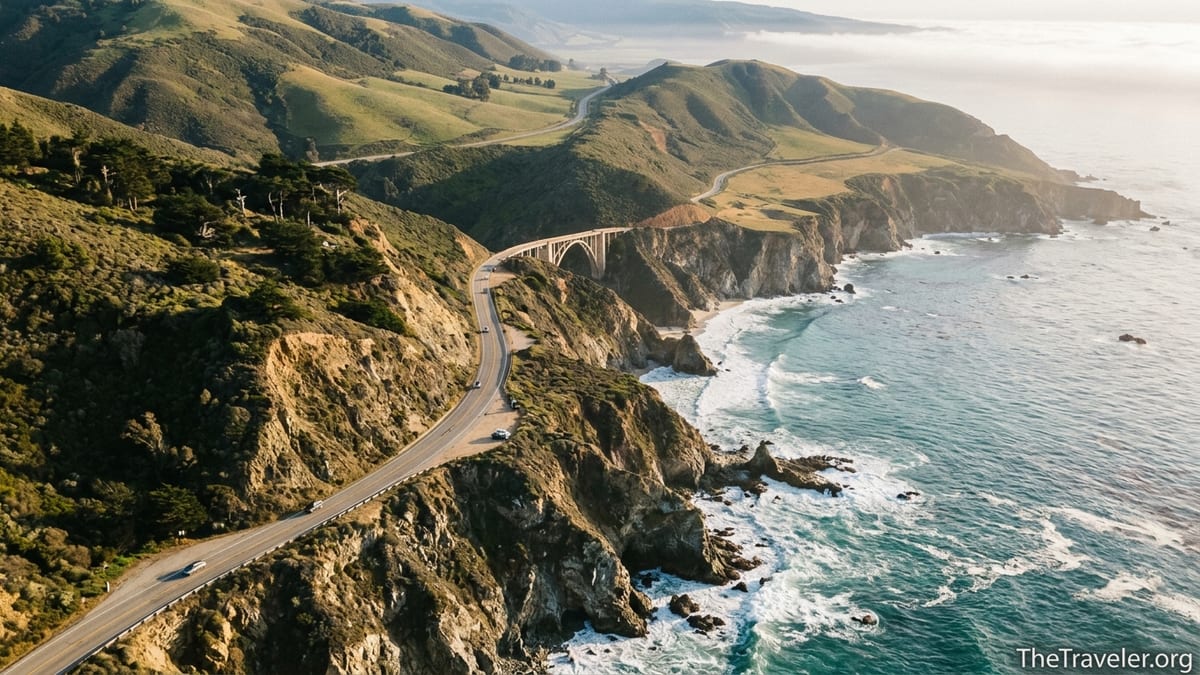
South along Highway 1, Big Sur is one of the most famous stretches of coastal road in the world, but true lodging choices are limited and often expensive. Rustic cabins in the redwoods can start around 300 dollars per night, while clifftop luxury resorts can reach four figures. Many travelers choose to base in Monterey or Carmel by the Sea and drive Big Sur as a day trip, allowing them to enjoy the views without committing to very high nightly rates or worrying about last minute road closures that sometimes affect this isolated section of highway.
Farther south, Santa Barbara offers a blend of Spanish style architecture, beaches and wine country access. Hotels near the waterfront and State Street can often range from 260 to 400 dollars per night, though simple motels several blocks inland may be closer to 180 to 220 dollars. Couples enjoy the walkable downtown, tasting rooms and nearby Santa Ynez Valley wineries, which are about a 45 minute drive over the coastal mountains. Families appreciate the compact zoo and bike friendly beachfront path.
For a more low key beach town, consider Pismo Beach or Cambria as overnight stops on a Los Angeles to San Francisco road trip. These towns have a mix of roadside motels and small inns, often in the 160 to 260 dollar range, and give you a chance to break up driving while enjoying ocean sunsets and seafood dinners. Booking ocean view rooms in summer and on holiday weekends still requires advance planning, but you may find more availability here than in Santa Barbara or Carmel at the same time of year.
Building Smart California Itineraries by Theme
Once you understand the character of each base, you can combine them into focused itineraries. For a first time family trip emphasizing beaches and theme parks, one practical route is to fly into Los Angeles, spend three or four nights in Santa Monica or Anaheim, then drive two hours south to San Diego for another three or four nights near Mission Bay or La Jolla. This keeps driving days short and gives children time to settle into each hotel, with one base more geared to theme parks and one to beaches and the zoo.
Couples planning a romantic escape might pair San Francisco and wine country, or Santa Barbara and Napa, depending on flight options. For example, three nights in San Francisco near the Embarcadero for city sights and dining, followed by three nights in Healdsburg or Yountville for vineyard visits and lingering lunches, creates a varied but not rushed week. Renting a car only for the wine country portion can also reduce parking costs in the city.
Outdoor focused travelers often design loops that include Yosemite, Tahoe and the coast. In summer, one common pattern is to fly into San Francisco, spend two nights in the city, then drive four hours to Yosemite for three nights near or inside the park. From there, you can continue about four hours to South Lake Tahoe for two or three nights by the lake, then return to the Bay Area. Those with more time might add Monterey for two nights at the start or end to see the coast and break up the drive.
Whatever combination you choose, try to organize your route so that the longest drives fall in the middle of the trip when you are settled into the time zone and have some flexibility. Avoid planning tightly timed activities on move days, as California’s traffic and mountain roads can introduce unexpected delays. Booking cancellable rates where possible, especially in winter near mountain passes or along Big Sur, gives you room to adjust if storms affect roads.
FAQ
Q1. What is the best city to use as a base for a first trip to California?
For many travelers, using Los Angeles and San Francisco together works best. Three or four nights in a beach neighborhood like Santa Monica plus three or four nights near San Francisco’s waterfront lets you sample big city sights, coastal scenery and food culture without trying to drive the full state during a single short visit.
Q2. How far in advance should I book Yosemite lodging?
For peak season dates between roughly late May and September, aim to book Yosemite lodging as early as you can, ideally several months ahead for in-park options. Rooms at Yosemite Valley Lodge and cabins at Curry Village often sell out well in advance for weekends and holidays, while gateway towns like Mariposa and El Portal tend to have more last minute availability but still fill up for popular summer periods.
Q3. Are vacation rentals better than hotels in California beach towns?
Vacation rentals can be very good value for families or groups in places like San Diego, Santa Barbara and Lake Tahoe because multiple bedrooms and a kitchen help offset higher nightly rates. However, cleaning fees, minimum stays and local regulations vary by city, so short stays of one or two nights may still make more sense in traditional hotels or motels, especially if you expect to eat out most of the time.
Q4. Is it realistic to visit Los Angeles, San Francisco and Yosemite in one week?
It is possible but often feels rushed. Driving between Los Angeles and San Francisco takes about six hours in light traffic, and San Francisco to Yosemite is another four hours or so. In just seven days, you would spend a large share of your time on highways. Most travelers are happier choosing two of the three for a first trip or extending their stay to 10 to 12 days to include all three.
Q5. Which California base is best for families with small children?
San Diego is one of the easiest choices for families with younger kids. Staying around Mission Bay or Pacific Beach puts you close to calm water, playgrounds and family friendly hotels, with the zoo, SeaWorld and Legoland all within a comfortable driving radius. Anaheim, near Disneyland, paired with a few days at the coast works well for theme park centered trips.
Q6. Where should couples stay for a romantic California getaway?
For romance, consider smaller, walkable places like Carmel by the Sea, Yountville in Napa Valley, Healdsburg in Sonoma or La Jolla near San Diego. These towns offer intimate inns, good restaurants and scenic surroundings without the intensity of larger cities, and many hotels here focus on touches like fireplaces, wine hours and spa services that appeal to couples.
Q7. Is having a car essential in California’s major cities?
In Los Angeles, having a car is still very helpful unless you plan to stay mostly in one neighborhood, because sights are spread out. In San Diego and San Francisco, you can manage without a car if you stay in central areas and rely on transit and rideshares, though a car makes it easier to reach beaches and outlying neighborhoods. Many travelers choose to rent a car only for specific legs like Yosemite, wine country or the Pacific Coast Highway.
Q8. When are hotel prices lowest in California?
Generally, late fall and winter, excluding major holidays, bring the lowest hotel prices in many California destinations. Coastal cities like Los Angeles and San Diego often see better deals in November, early December and January, while ski areas and Tahoe become more expensive in peak winter. In places like Napa and Yosemite, midweek stays in the shoulder seasons of spring and late fall can offer more moderate rates and fewer crowds.
Q9. What is a good base for driving the Pacific Coast Highway?
For a classic road trip between Los Angeles and San Francisco, many travelers stay overnight in Santa Barbara or Pismo Beach, then again in Monterey or Cambria. This splits the drive into manageable sections and allows time for stops at viewpoints, small towns and state beaches. Using Monterey or Carmel as a base also makes it easier to explore Big Sur as a relaxed day trip rather than rushing through in a single afternoon.
Q10. How should I budget nightly accommodation costs in California?
As a rough guideline, budget travelers can often find simple motels or off center hotels from around 140 to 200 dollars per night in many areas, while midrange stays in popular coastal cities, wine country and national park gateways often sit between about 220 and 350 dollars. Upscale and luxury options in hotspots like Napa, Santa Barbara or oceanfront Los Angeles can easily run 400 dollars or more per night, especially on summer weekends and holidays.